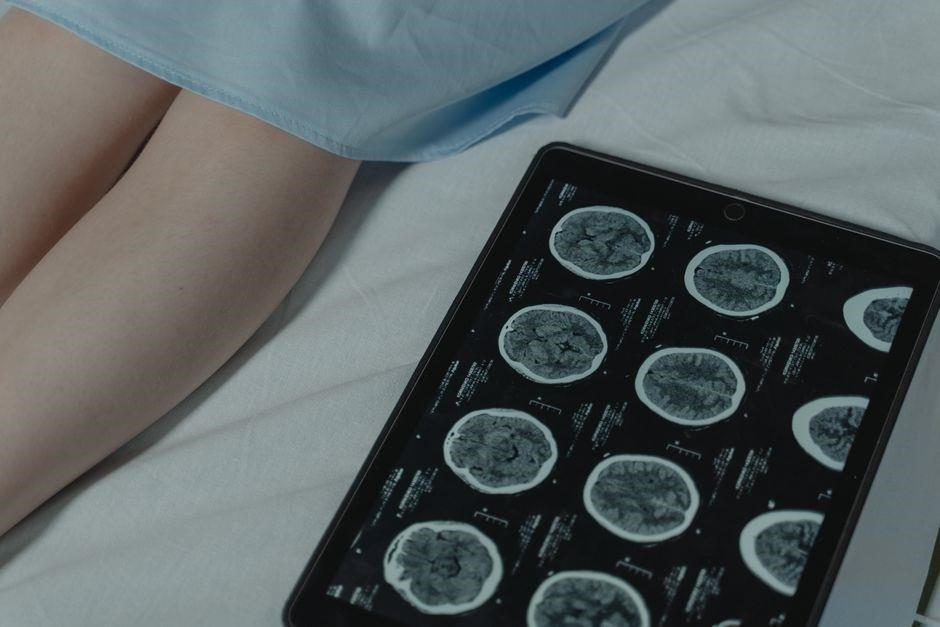
Overview of the Cincinnati Prehospital Stroke Scale (CPSS)

The Cincinnati Prehospital Stroke Scale (CPSS) is a rapid‚ three‑item tool used by EMS to identify stroke signs—facial droop‚ arm drift‚ and speech disturbance—within minutes of patient contact․ It guides triage decisions and speeds access to definitive care․
CPSS results are shared quickly‚ speeding imaging․
Historical Development and PDF Availability
Developed in 1997‚ the CPSS simplified the NIH Stroke Scale into three observable items․ Since its debut‚ updated PDFs have been released annually‚ with the latest version hosted on the official Ohio EMS website and freely downloadable for field use․ Quick!!!
Origin of the Scale (1997)
The Cincinnati Prehospital Stroke Scale (CPSS) was first introduced in 1997 as a concise‚ field‑ready version of the National Institutes of Health Stroke Scale (NIHSS)․ A collaborative effort by emergency physicians‚ neurologists‚ and EMS leaders in Cincinnati‚ Ohio‚ the CPSS reduced the NIHSS’s 15 items to three observable deficits: facial droop‚ arm drift‚ and speech disturbance․ The 1997 study‚ published in the Journal of Emergency Medicine‚ reported a sensitivity of 93% and specificity of 78% for identifying true stroke cases‚ with 80% of patients showing at least one sign․ By focusing on readily visible symptoms‚ the CPSS allowed paramedics to recognize potential strokes within minutes‚ enabling rapid triage to comprehensive stroke centers and expediting thrombolytic therapy․ Subsequent PDF releases have been issued annually‚ with the latest version hosted on the Ohio Department of Health’s website․ These PDFs include updated clinical guidelines‚ illustrative diagrams‚ and user‑friendly checklists to ensure consistent application across diverse crews․ The CPSS has been endorsed by the American Heart Association and incorporated into national EMS protocols․ Its digital format is embedded in many dispatch systems‚ and the PDF has been translated into multiple languages․ Training modules accompany the PDF‚ offering interactive quizzes and case studies to reinforce correct use․ The scale’s design philosophy emphasizes brevity without sacrificing diagnostic accuracy‚ a balance that has contributed to its global adoption and enduring legacy in prehospital stroke care․ The CPSS’s development was driven by the need to reduce the time from symptom onset to treatment․ Early field identification allowed EMS to bypass smaller hospitals and direct patients straight to comprehensive stroke centers equipped for endovascular therapy․ The scale’s simplicity also made it suitable for training non‑specialist crews‚ ensuring widespread adoption across the United States․ Over the past two decades‚ studies have confirmed that use of the CPSS in the field correlates with improved patient outcomes‚ including higher rates of thrombolysis and reduced mortality․ Its impact remains evident worldwide․
Subsequent Updates and PDF Releases
After its 1997 debut‚ the CPSS has undergone several refinements to enhance usability and accuracy․ In 2001‚ the original PDF was updated to include clearer illustrations of facial droop and arm drift‚ and a concise scoring rubric was added․ The 2005 revision introduced a standardized color‑coded key for rapid field recognition‚ and the PDF was made available in both English and Spanish to accommodate diverse EMS teams․ A 2010 update incorporated a quick reference guide for non‑physician providers‚ emphasizing the importance of documenting time of symptom onset․ The 2014 version added a section on contraindications to thrombolysis‚ linking the CPSS score to treatment eligibility․ In 2018‚ the PDF was reformatted to a mobile‑friendly layout‚ allowing paramedics to access the scale via tablets and smartphones․ The most recent 2023 release‚ hosted on the Ohio Department of Health’s official portal‚ includes an interactive QR code that directs users to a live training module and a downloadable checklist․ Each update is accompanied by a brief evidence summary‚ citing recent studies that validate the scale’s sensitivity and specificity․ The PDF repository is maintained by the National EMS Information System‚ ensuring that all versions are archived and freely downloadable for training purposes․ EMS agencies nationwide routinely incorporate the latest PDF into their standard operating procedures‚ and the scale’s digital presence on dispatch software facilitates real‑time documentation and data collection for quality improvement initiatives․ Updated 24!
Core Components of the CPSS
The CPSS evaluates three signs: facial droop‚ arm drift‚ and speech disturbance․ A patient’s face is asked to smile; asymmetry indicates droop․ The arm is held straight; any downward drift flags weakness․ Speech is checked for slurring or incomprehensibility․ Each abnormality scores one point․ The scale is scored 0–3․!!
Facial Droop Assessment
In the CPSS‚ the facial droop test is the first step․ The rescuer asks the patient to smile or raise both eyebrows‚ then observes for asymmetry․ A true droop is identified when one side of the face does not lift or shows a flattened smile‚ indicating unilateral facial weakness․ The assessment is quick‚ requiring no equipment‚ and can be performed even in noisy or crowded environments․ A positive result scores one point‚ contributing to the overall CPSS score․ This simple observation is critical because facial weakness is one of the most common presenting symptoms in acute ischemic stroke‚ especially in large‑vessel occlusion cases․ The test’s sensitivity is high‚ but it may miss subtle deficits or posterior circulation strokes‚ which often present with different signs․ Therefore‚ while a positive facial droop strongly suggests a stroke‚ a negative result does not rule it out․ EMS personnel are trained to repeat the test if the patient’s condition changes or if initial observation is unclear․ Documentation of the facial assessment is recorded in the patient’s prehospital chart and transmitted to the receiving hospital to aid rapid triage and treatment planning․ The simplicity and reliability of the facial droop component make it a cornerstone of prehospital stroke screening worldwide․ In practice‚ the facial droop test is performed by asking the patient to smile or raise both eyebrows while the rescuer observes for any asymmetry․ A unilateral droop is scored as one point․ This straightforward maneuver is especially valuable in resource‑limited settings where rapid decision‑making is essential․ Field teams record the result in the EMS chart for transfer to the receiving facility!
Arm Drift Test
The arm drift component of the CPSS is a quick‚ bedside maneuver designed to detect subtle motor deficits that may signify an acute ischemic event․ The EMS provider asks the patient to extend both arms forward‚ elbows bent at 90°‚ and fingers spread‚ while the patient keeps their gaze fixed on a stationary point․ The rescuer then lifts the patient’s arms slightly off the ground and observes for any spontaneous downward drift or weakness․ A positive finding is recorded when one arm shows noticeable drift or falls‚ indicating unilateral upper‑limb paresis․ This single point is added to the CPSS total‚ and a score of two or more triggers a high‑priority stroke alert․
Arm drift is favored in field settings because it requires no equipment and can be performed in less than 30 seconds․ Its sensitivity for detecting large‑vessel occlusion is high‚ especially when combined with facial droop and speech assessment․ However‚ the test may miss isolated posterior circulation strokes where arm weakness is not prominent․ Therefore‚ EMS teams are trained to repeat the maneuver if the patient’s condition changes or if initial observation is equivocal․ Documentation of the arm drift result is entered into the patient’s prehospital record and transmitted electronically to the receiving stroke center‚ enabling rapid triage and treatment decisions․
In addition to its diagnostic value‚ the arm drift test serves an educational purpose for both providers and patients․ By demonstrating the presence or absence of motor weakness‚ it helps reinforce the importance of early recognition and rapid transport to a comprehensive stroke center․ The simplicity of the test‚ coupled with its proven clinical utility‚ makes it a cornerstone of the CPSS and a vital tool in the prehospital stroke response․ Field teams rely on this test to triage patients efficiently‚ and rapid identification saves lives‚ reducing mortality․
Speech Disturbance Check
The speech component of the CPSS requires the patient to repeat a simple phrase‚ typically “I love my dog‚” while the provider observes for slurring‚ aphasia‚ or inability to speak․ A positive finding—such as distorted pronunciation‚ halting speech‚ or complete mutism—adds one point to the CPSS total․ This test is performed immediately after the facial droop and arm drift assessments‚ ensuring a rapid‚ three‑minute evaluation window․ The phrase is chosen for its ease of recall and minimal cultural bias‚ allowing consistent application across diverse populations․ In the field‚ a clear speech deficit often correlates with large‑vessel occlusion‚ prompting expedited transport to a comprehensive stroke center․ Providers are instructed to note any hesitation or errors‚ as these subtle signs can precede more overt deficits․ Documentation of the speech result is entered into the prehospital record and transmitted electronically to the receiving facility‚ enabling real‑time triage decisions․ While the speech test is highly sensitive for anterior circulation strokes‚ it may miss isolated posterior circulation events where speech remains intact․ Therefore‚ EMS teams remain vigilant for other signs․ The simplicity and speed of the speech check make it a cornerstone of the CPSS‚ ensuring that critical language deficits are identified and acted upon swiftly‚ ultimately improving patient outcomes․
EMS personnel assess dysarthria by asking the patient to repeat “one two three․” The CPSS speech check is completed in under 30 seconds‚ ideal for time‑critical prehospital triage․
When the speech component is positive‚ the EMS team activates the stroke protocol‚ notifying the receiving hospital of a suspected large‑vessel occlusion․ This pre‑notification allows the stroke center to prepare interventional resources‚ reducing door‑to‑needle times and improving functional outcomes․ The CPSS speech assessment is thus a critical link in the chain of survival for stroke patients․
Limitations exist: patients with severe aphasia may be unable to comply‚ and speech deficits can be subtle in posterior circulation strokes․ Therefore‚ a negative speech test does not exclude a stroke‚ and EMS providers should consider additional clinical findings and imaging when available․
Finally‚ the CPSS speech check is validated in multiple field studies‚ demonstrating a sensitivity of 93% for acute ischemic stroke and a specificity of 95% for non‑stroke conditions․ These metrics underscore its reliability as a rapid screening tool in emergency medical services․
Accessing Official CPSS PDF Resources

Official CPSS PDFs are hosted on the National Stroke Association site and the Cincinnati EMS website․ Download the latest version via the “Resources” tab‚ ensuring you use the most recent 2024 update for accurate scoring and guidelines․

Check PDF on EMS site ․
Official PDF Repositories
The Cincinnati Prehospital Stroke Scale (CPSS) PDF is hosted on two authoritative platforms that ensure the most current and reliable version for emergency medical services․ The first source is the official Cincinnati EMS website‚ where the PDF resides in the “Resources” or “Publications” section under the heading “Stroke Assessment Tools․” A direct download link is provided‚ and the file is labeled with the 2024 update‚ which incorporates the latest scoring refinements and a concise user manual․ The second source is the National Stroke Association’s “Stroke Scale Library‚” which offers a mirrored copy of the CPSS PDF․ Both repositories require a brief email verification for download‚ but the PDFs are otherwise free and accessible to all EMS agencies‚ clinicians‚ and researchers․ The documents are compatible with standard PDF readers on smartphones‚ tablets‚ and desktop computers‚ and they contain a step‑by‑step visual guide with illustrations of facial droop‚ arm drift‚ and speech disturbance‚ plus a troubleshooting section for ambiguous cases․ For agencies integrating the CPSS into electronic patient care reporting (ePCR) systems‚ the PDFs also include a data‑entry template that can be copied into most ePCR platforms․ The official repositories are updated quarterly; users should check the “Updates” tab or subscribe to the Cincinnati EMS newsletter for new releases․ By downloading the latest PDF‚ responders ensure compliance with state stroke‑treatment protocols and alignment with the American Heart Association’s stroke‑triage recommendations․ The PDF is also archived in the State Health Department’s digital library‚ where a PDF archive is maintained for compliance audits․ Additionally‚ the Cincinnati Stroke Foundation provides a downloadable PDF on its “Stroke Resources” page‚ which includes a bilingual version in Spanish for Spanish‑speaking communities․ The file size is approximately 1․2 MB‚ making it easily shareable via email or QR code embedded in training materials․ Training modules for new EMS personnel often begin with a QR scan of the PDF‚ ensuring that every responder has instant access to the scale during field operations․ The official repositories also offer a printable A4 version‚ which can be laminated for quick reference on ambulance panels․ For academic purposes‚ the National Stroke Association provides a citation guide that lists the CPSS as a primary source for stroke triage research․ Users should note that the PDF includes a disclaimer that the scale is a screening instrument‚ not a diagnostic tool․ The CPSS PDF is licensed under a Creative Commons Attribution‑ShareAlike 4․0 International license‚ allowing free redistribution with proper attribution․ This licensing model encourages widespread adoption across EMS systems nationwide․
Application‚ Interpretation‚ and Limitations
CPSS is used in the field to triage suspected stroke patients․ A score of 1–3 flags possible stroke‚ prompting rapid transport to a stroke center․ However‚ it misses posterior circulation deficits and relies on observer skill‚ limiting sensitivity in certain presentations․ CPSS is a quick screen‚ not a diagnosis in

Scoring Criteria and Thresholds
The CPSS assigns one point for each abnormal finding among facial droop‚ arm drift‚ and speech disturbance․ A total score of 0 indicates no stroke signs‚ while 1–3 suggests increasing likelihood of an acute cerebrovascular event․ EMS personnel typically consider any score of 1 or higher as positive‚ prompting immediate transport to a comprehensive stroke center․ The threshold aligns with a sensitivity of ~90% and specificity of ~70% for detecting clinically significant strokes․ Clinicians use the score to prioritize imaging and treatment‚ but recognize that the scale is a screening tool; it does not replace formal neurological assessment or imaging․ In practice‚ a score of 2 or 3 often triggers direct transfer to a facility with endovascular capabilities‚ whereas a score of 1 may still warrant evaluation at a local emergency department if resources are limited․ The CPSS thresholds are designed for rapid decision‑making in the prehospital setting‚ balancing speed and accuracy to improve patient outcomes․ Because the CPSS is designed for speed‚ it is often performed within the first minute of patient contact‚ allowing EMS crews to make rapid triage decisions and potentially reduce time to reperfusion therapy․ Training for CPSS use is incorporated into EMS certification programs‚ ensuring that responders can reliably detect facial asymmetry‚ arm drift‚ and dysarthria even in noisy or chaotic environments․ While CPSS is quick‚ it does not replace formal imaging; patients with negative CPSS scores but high clinical suspicion should still receive prompt evaluation․ Speed meets safety now!!

Limitations and Missed Posterior Stroke Cases
The CPSS‚ while rapid‚ has notable blind spots‚ especially for posterior circulation strokes․ Because it focuses on facial droop‚ arm drift‚ and speech‚ it misses deficits such as vertigo‚ ataxia‚ diplopia‚ or visual field loss that are hallmark of basilar or vertebral artery occlusions․ Studies show that up to 20% of posterior strokes present without any CPSS abnormality‚ leading to false negatives and delayed treatment․ Additionally‚ patients with isolated speech disturbances may be misclassified if the speech is subtle or if the patient is non‑verbal due to agitation or language barriers․ The scale also does not account for sensory deficits‚ which can be prominent in posterior strokes․ Consequently‚ EMS crews may transport patients to a primary stroke center rather than a comprehensive facility‚ potentially delaying endovascular therapy for large vessel occlusion․ To mitigate this‚ supplemental screening tools such as the Cincinnati Stroke Severity Scale (CP-SSS) or the Rapid Arterial oximetry and Stroke (RAS) protocol incorporate additional signs like gaze deviation‚ visual fields‚ and balance‚ improving detection of posterior strokes․ Nevertheless‚ the CPSS remains a valuable first‑line screen‚ but clinicians must remain vigilant for atypical presentations and consider repeat assessment or advanced imaging when clinical suspicion persists despite a negative CPSS․ Emergency medical services should incorporate routine checks for balance‚ gait‚ and visual fields when feasible‚ as early recognition of posterior circulation deficits can dramatically alter triage decisions and improve functional outcomes․ Training modules that emphasize posterior stroke recognition have shown to reduce missed diagnoses by up to 15% in field studies․ Better triage saves lives․