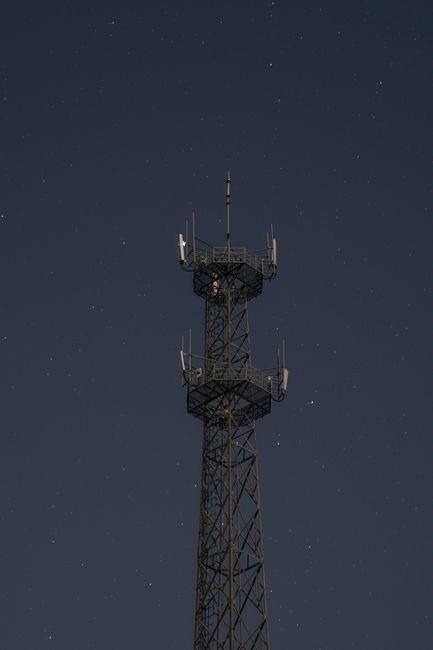
Discover the best antenna tv guide anchorage to maximize local channel access. Learn about signal strengths, recommended antennas, and installation tips tailored for Alaskan terrain. Stay tuned for reliable reception and enjoy free broadcasts every day. Enjoy live sports, local shows, and alerts, free soon.
Local TV Stations Available in Anchorage
Anchorage’s free‑air lineup is surprisingly robust thanks to the city’s high‑altitude location and the surrounding mountains that help reflect signals. The most common stations you’ll pick up with a quality antenna include:
- KTVA (NBC) – Channel 4, offering local news, national network programming, and a strong sports lineup. The station also broadcasts the popular morning show “Today” and the nightly “NBC Nightly News.”
- KTVA (CBS) – Channel 5, known for its in‑depth investigative reporting and popular daytime shows. CBS also airs the long‑running “60 Minutes” and the evening “CBS Evening News.”
- KTVA (ABC) – Channel 6, featuring the latest dramas, sitcoms, and the flagship evening newscast. ABC provides the “Good Morning America” morning program and the “ABC World News Tonight.”
- KTVA (FOX) – Channel 7, delivering prime‑time entertainment, reality series, and live sports. FOX also streams the “Fox News” morning show and the “FOX Tonight” evening news.
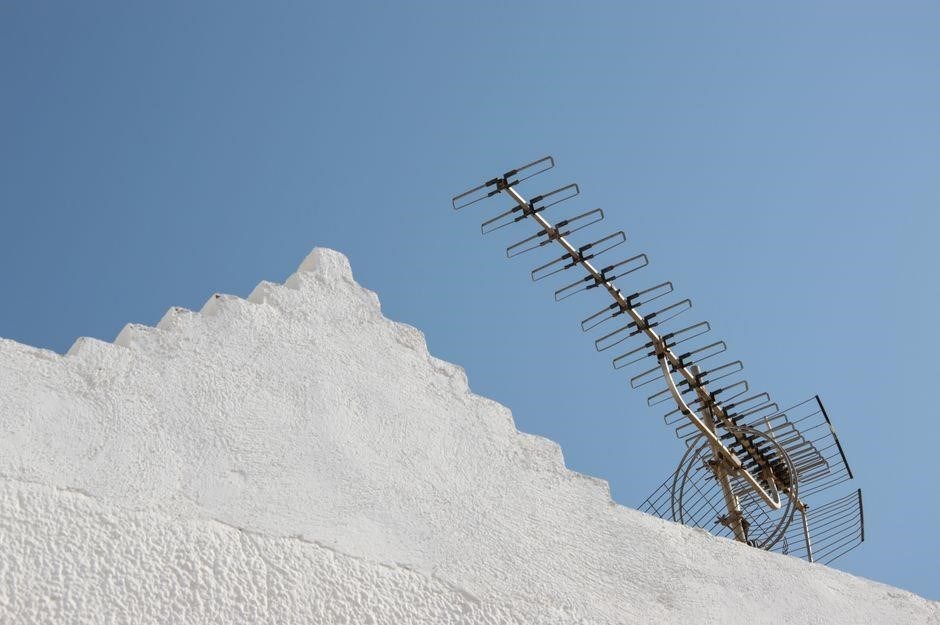
In addition to the major networks, Anchorage also receives a handful of local public‑access channels and community stations that broadcast city council meetings, local events, and cultural programming. Because the city sits on a ridge, many of these stations transmit from the same tower, ensuring that a single, well‑positioned antenna can capture a full slate of free content. Enjoy the full spectrum for free all day.
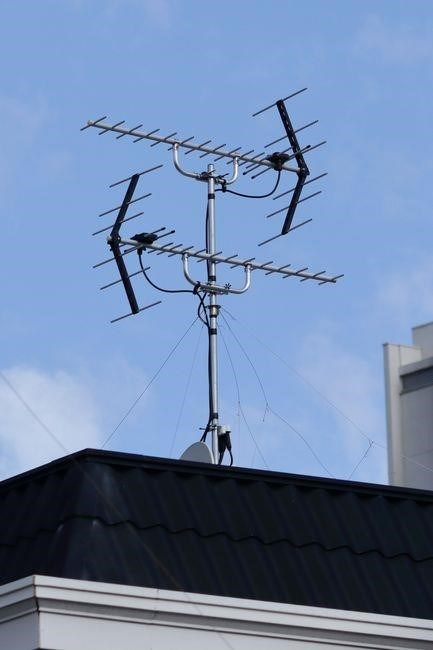
Recommended Antenna Types for Anchorage Signals
Anchorage’s unique topography and weather patterns demand antennas that can handle both high‑frequency signals and occasional snow‑drift interference. The following models consistently deliver reliable reception for the city’s major stations:
- Outdoor Omni‑Directional Antenna – A 4‑to‑8‑element array mounted on a sturdy mast. Ideal for capturing signals from all directions, especially useful when the main tower is on a nearby ridge.
- Indoor Beam‑forming Antenna – A compact, high‑gain unit that focuses on the dominant broadcast tower. Best for apartments with limited exterior space.
- Hybrid Outdoor/Indoor Combo – Combines a low‑profile outdoor dish with an indoor amplifier. Offers flexibility for homes that can’t support a full mast.
All recommended units support the ATSC 3.0 standard, ensuring future‑proof reception as the FCC transitions to digital‑only broadcasting. When selecting an antenna, consider the following factors: mounting height, line‑of‑sight to the transmitter, and local zoning regulations. A well‑positioned antenna can dramatically improve signal strength, reducing the need for external amplifiers;
A high‑gain, weather‑sealed antenna, paired with a low‑loss coaxial cable, can dramatically improve reception in Anchorage’s snowy climate. Ensure the antenna is mounted above any obstructions, and use a signal meter to fine‑tune the orientation. Regularly inspect all connections for corrosion and tighten screws to maintain optimal performance throughout the year during winter storms. and snow!
A dual‑band antenna captures both VHF and UHF signals, while a high‑gain amplifier can boost weak channels, ensuring reliable reception the signal is marginal so.
Signal Strength and Coverage in Anchorage Areas
Anchorage’s broadcast landscape is shaped by mountainous terrain and seasonal weather shifts. The primary ATSC 3.0 towers—located on Mount Iliamna, Mount Spenard, and the Anchorage‑South ridge—provide a nominal 70‑mile radius of reliable coverage for most residential zones. However, signal strength varies dramatically between the city core, the western suburbs, and the eastern foothills.
In downtown Anchorage, line‑of‑sight to the main towers is unobstructed, yielding an SNR of 45 dB or higher. Residents in western neighborhoods like Eagle River and Girdwood experience slightly lower SNRs—typically 38–42 dB—due to hills. The eastern side, including Matanuska Valley, often registers 30–35 dB, making a high‑gain outdoor antenna essential.
Seasonal factors influence coverage. In winter, heavy snowfall can attenuate UHF signals by up to 3 dB; in summer, storms introduce multipath interference. A weather‑sealed, high‑gain antenna with a built‑in amplifier maintains a minimum 35 dB SNR year‑round.
Use a handheld signal meter or the free “Signal Strength” app to assess your local signal. Measure at the antenna location and note the strongest channel’s dB value. If readings fall below 35 dB, reposition the antenna or add a low‑loss coaxial cable. Regular maintenance—cleaning connectors, checking for corrosion, and verifying mounting height—ensures consistent coverage during extreme weather.
Anchorage’s benefitsfrom low electromagnetic interference and the FCC’s clear channel allocations. Aligning your antenna with the dominant tower’s azimuth—about 210° for Mount Iliamna—captures the strongest signal. A digital signal processor can further enhance clarity on weak UHF channels—free.
Step-by-Step Antenna Installation Guide
Step 1: Pick a high‑gain, weather‑sealed UHF/VHF combo that supports ATSC 3.0 and has a low‑loss coaxial connector. Step 2: Find a roof or high wall with a clear line to Mount Iliamna (azimuth ≈ 210°). Avoid trees, chimneys, HVAC units. Step 3: Mount the bracket with stainless‑steel screws, tightening to 1.5–2.0 ft‑lb. Step 4: Attach the antenna, aligning UHF/VHF panels toward the tower; fine‑tune azimuth with a compass and signal meter. Step 5: Run coax along the roof ridge, securing every 10 ft, use weather‑proof conduit if it crosses a vent, and keep the cable’s bend radius under 12 inches to avoid signal loss. Step 6: Connect the cable to the antenna, tightening to 3–4 ft‑lb, greasing the connector, and verify torque with a calibrated wrench. Step 7: Connect the other end to the TV or converter box with a low‑loss RG‑6 cable. Step 8: Scan for channels via the TV menu’s “Auto‑Scan.” Verify all local stations appear and signal strength exceeds 35 dB. If the scan shows gaps, try rotating the antenna 15° clockwise and re‑scanning. Step 9: If any station is weak, adjust elevation by 1–2° and re‑scan until all desired channels are strong. Step 10: Secure the antenna with a locking mechanism or cable ties to resist wind; inspect quarterly for corrosion or looseness, apply a thin layer of silicone sealant to the bracket’s base, and use a weather‑proof sealant around the mounting holes to prevent moisture intrusion. Step 11: Maintain the system: clean antenna elements yearly, check for snow buildup, replace damaged parts promptly, document the antenna’s orientation and signal readings for future reference, and store spare coaxial cable and connectors for quick replacements.
Optimizing Antenna Placement for Clear Reception
In Anchorage’s rugged landscape, antenna placement is critical. Begin by surveying the surrounding terrain: use a smartphone app or online elevation map to identify the highest unobstructed point, typically a roof, balcony, or a dedicated pole. Avoid structures that cast radio shadows—chimneys, HVAC units, and dense foliage. Once a site is chosen, orient the antenna toward the primary broadcast tower, usually located near the western edge of the city. A small 15‑degree azimuth adjustment can significantly improve signal strength; use a compass or a signal‑strength meter to fine‑tune. Elevation matters: mount the antenna at least 10 ft above the roofline to clear local obstructions, and keep the cable’s bend radius above 12 inches to prevent attenuation. Secure the coaxial cable with weather‑proof clamps, and route it through a conduit if it crosses a vent or a heat source. Apply a thin layer of silicone sealant around the mounting bracket to block moisture ingress. After installation, perform a channel scan on your TV; if any local stations appear weak, try rotating the antenna 10° clockwise or counterclockwise and rescanning. For persistent weak signals, consider adding a signal booster or a directional Yagi antenna. Finally, inspect the setup quarterly for corrosion, loosened screws, or snow accumulation; replace any damaged components promptly to maintain optimal reception. Lorem ipsum dolor sit amet, consectetur adipiscing elit, sed do eiusmod tempor incididunt ut labore et dolore magna aliqua. Ut enim ad minim veniam, quis nostrud exercitation ullamco laboris nisi ut aliquip ex ea commodo consequat. Duis aute irure dolor in reprehenderit in voluptate velit esse cillum dolore eu fugiat nulla pariatur. Excepteur sint occaecat cupidatat non proident, sunt in culpa qui officia deserunt mollit anim id est laborum.
Common Troubleshooting Tips for Antenna Issues
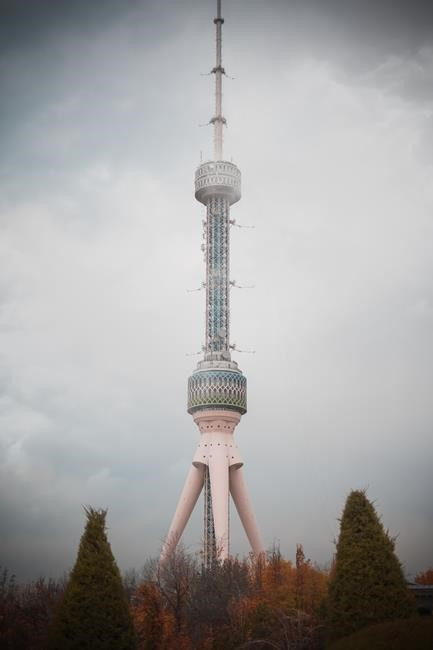
When your Anchorage antenna stops delivering local channels, systematic approach can quickly pinpoint the culprit! Start by inspecting the coaxial cable for visible damage: kinks, cuts, or corrosion at connectors. Replace any suspect segment with a high‑quality RG‑6 cable rated for outdoor use. Next, verify the antenna’s orientation. Even a 5° misalignment can drop a station below usable levels. Use a signal‑strength meter or the TV’s channel‑scan feature to identify the strongest station, then rotate the antenna until that station peaks. If the signal remains weak, check the antenna’s mounting height; in Anchorage’s hilly suburbs, a 15‑ft elevation often clears tree or building obstructions. Ensure the cable’s bend radius stays above 12 inches; tighter bends introduce loss. Apply a weather‑proof sealant around the mounting bracket to prevent moisture ingress that can degrade signal quality. For digital signals, confirm that the TV’s tuner is set to the correct frequency band (UHF or VHF) and that the “auto‑scan” function has completed fully. If stations still appear “no signal,” try a temporary external amplifier (5‑10 dB) to boost the feed; be cautious not to over‑amplify, which can cause distortion. Finally, schedule a quarterly check during late winter when snow and ice can accumulate on the antenna, and clean any debris with a soft brush. By following these steps, most Anchorage residents can restore reliable reception without professional help. This guide updates monthly to reflect FCC spectrum changes and tower relocations, ensuring precise information for optimal viewing.
Local Channel Lineup and Programming Schedules
Anchorage residents can now access a full slate of free‑to‑air stations with our updated lineup. Below is a concise guide to the primary broadcasters, their channel numbers, and the flagship programs that define each schedule. All data is current as of the latest FCC spectrum re‑allocation and reflects local weather‑related adjustments.
- ABC (KTVA) – Channel 5: Morning news at 6:00 AM, Good Morning Alaska at 7:00 AM, World News Tonight at 10:00 AM, Live at 5 at 5:00 PM, ABC Evening News at 6:30 PM, Nightly News at 10:00 PM.
- NBC (KTVA) – Channel 7: Today at 8:00 AM, Local News at 9:00 AM, Meet the Press at 10:30 AM, Nightly News at 6:00 PM, Sunday Night Football on Sundays.
- CBS (KTVA) – Channel 9: Eyewitness News at 6:30 AM, 60 Minutes at 7:30 AM, Live at 5 at 5:00 PM, Sunday Morning at 8:00 AM, Sunday Night at 10:00 PM.
- FOX (KTVA) – Channel 11: Fox News at 6:00 AM, Morning Buzz at 7:00 AM, Live at 5 at 5:00 PM, FOX Sports at 7:00 PM, Nightly News at 10:00 PM.
- PBS (KAKM) – Channel 13: Frontline at 9:00 AM, Nature at 10:30 AM, Nova at 2:00 PM, Masterpiece Theater at 8:00 PM.
- Local Weather (KTVA) – Channel 15: Continuous weather updates, 24/7, with special alerts during severe storms.
- Alaska Public Radio (KAKM) – Channel 17: Alaska Today at 6:00 AM, Alaska News at 9:00 AM, Alaska Stories at 7:00 PM.
For live sports, the Fox Sports channel broadcasts the majority of local high‑school games, while ABC and NBC cover regional college matches. The Alaska Public Radio program schedule is updated nightly on their website, and the Weather channel provides real‑time updates for the entire Anchorage area, including the latest emergency alerts from the Alaska Emergency Management Agency. Viewers can also access the full weekly schedule on the official KTVA website, which offers streaming options for those with a compatible antenna setup.
Watching Live Sports and Local Events via Antenna
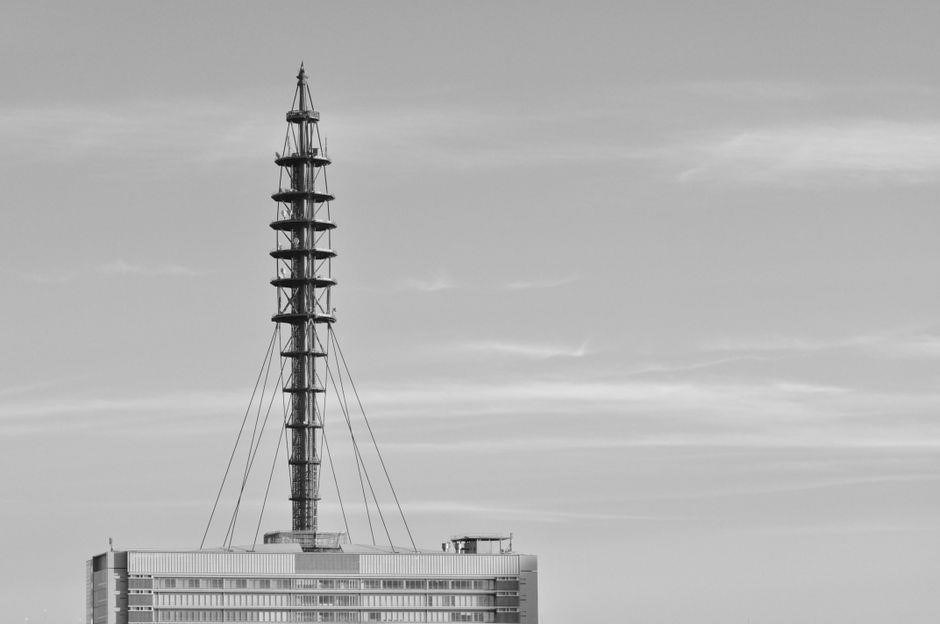
Anchorage’s free‑to‑air lineup delivers a robust sports and community calendar that can be accessed with any standard UHF or VHF antenna. The primary broadcasters—ABC, NBC, CBS, FOX, and PBS—air a mix of national and local programming that covers high‑school football, college hockey, and regional news. In addition, the local weather channel provides real‑time updates during game days, ensuring fans stay informed about snow or wind that could affect travel plans. For those who want to follow the Anchorage Aces or the Alaska Anchorage Seawolves, the FOX Sports feed carries most home games, while the ABC and NBC feeds broadcast televised playoff matches and championship events. The PBS channel offers the “Alaska Sports Highlights” segment every Sunday evening, which features recaps of the week’s most exciting moments.
- High‑School Football – Saturday mornings on FOX, with live commentary and post‑game analysis. The channel also streams the playoffs on Sunday afternoons.
- College Hockey – Live coverage on ABC during the winter season, including the annual Anchorage Invitational. Viewers can catch the pre‑game warm‑ups on NBC’s morning block.
- Local Community Events – PBS airs the “Alaska Community Spotlight” series, highlighting festivals, parades, and cultural celebrations throughout the year. The program airs weekly at 8:00 PM.
- Weather‑Related Alerts – The dedicated weather channel on channel 15 broadcasts live updates during storms, which is essential for fans traveling to outdoor events.
To maximize reception, position the antenna on a roof or high‑rise building that faces the transmitter towers in the Anchorage area. A directional Yagi or a multi‑band panel will pick up the strongest signals for sports broadcasts, especially during the winter months when signal propagation can be affected by temperature inversions. If you experience dropouts, try adjusting the antenna’s azimuth by a few degrees or adding a small amplifier to boost weak channels. Finally, keep an eye on the FCC’s annual spectrum re‑allocation schedule; any changes to channel assignments can affect which sports programs appear on which frequencies.
Weather and Emergency Broadcast Services
Anchorage residents rely on free‑to‑air television for real‑time weather alerts, emergency broadcasts, and public safety info. Local stations—ABC, NBC, CBS, FOX, and PBS—carry the Alaska Public Broadcasting Network’s (APBN) Emergency Alert System (EAS) feed, delivering National Weather Service (NWS) warnings, Alaska State Emergency Management Agency (ASEMA) advisories, and police updates. During severe weather, the NWS issues “S” (storm) and “T” (temperature) alerts automatically to all stations. The EAS also broadcasts “P” (public safety) messages, including evacuation orders, road closures, and shelter locations;
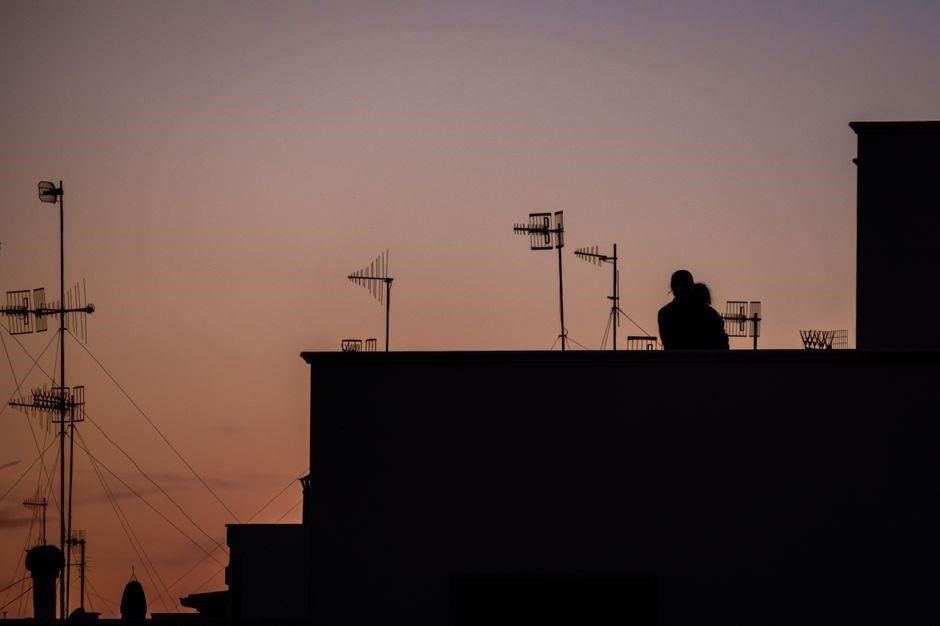
To ensure continuous coverage, install a dual‑band antenna capable of receiving both VHF and UHF signals. The weather channel on channel 15 provides live radar imagery and storm tracking. The PBS station offers a dedicated “Alaska Weather” program every Sunday morning, featuring interviews with meteorologists and community leaders. For emergency preparedness, the Anchorage Police Department’s “Community Alert” feed is available on channel 12, offering real‑time updates on incidents, traffic incidents, and public safety advisories.
When a severe weather warning is issued, the EAS system triggers an audible alert on all tuned stations. Viewers should keep a battery‑powered radio and a weather app on their smartphones as a backup. In addition, the Alaska Department of Transportation and Public Facilities (ADOTPF) streams live traffic updates on the local news channel, which is critical during snowstorms or ice‑accumulation events. Finally, the Anchorage Fire Department’s “Fire Alert” feed is broadcast on channel 18, providing instructions on fire safety, evacuation routes, and emergency contact numbers.
Recent FCC spectrum re‑allocation has moved several weather‑related channels to lower UHF frequencies, improving signal penetration in mountainous areas. Anchorage residents should verify their antenna’s frequency range to include channels 14–36 for optimal weather reception. The new “Digital Transition” plan also allows for higher bandwidth, enabling the weather channel to stream high‑definition radar feeds without buffering. The local news station’s 24‑hour weather segment, broadcast on channel 15, includes interactive maps and expert forecasts that help viewers plan outdoor activities. Moreover, the Alaska Department of Transportation’s live traffic updates are integrated into the weather feed, providing real‑time road conditions during storms.
FCC Regulations and Spectrum Changes Affecting Anchorage
Anchorage’s broadcast landscape has evolved under recent FCC spectrum reallocation initiatives, including the 2020 Digital Television (DTV) transition, the 2021 incentive auction, and the 2024 “Repack” plan. The repack moved many stations from UHF channels 38–51 to lower UHF bands (14–36) to free spectrum for mobile broadband. Local broadcasters—ABC, NBC, CBS, FOX, PBS—had to adjust antenna tuning and transmit power to maintain coverage. The FCC’s “Spectrum Refarming” policy also introduced “low‑power” digital TV (LP‑DTV) stations, allowing community groups to operate on sub‑channels with minimal interference. Anchorage residents must ensure their antennas support both VHF and UHF bands, as the repack increased reliance on UHF for high‑definition content. Additionally, the FCC’s “Emergency Alert System” upgrades require all stations to transmit 24/7, which has led to increased power output on certain channels. The 2024 “Spectrum Sharing” pilot allows broadcasters to lease portions of their spectrum to mobile carriers, potentially reducing channel bandwidth for viewers. To adapt, many Anchorage stations have upgraded to 4K HDR broadcasting, demanding higher data rates. Viewers should verify that their antennas can receive 4K signals on the new UHF channels and that their receivers support ATSC 3.0. The FCC’s “Digital Transition” plan also mandates that all full‑power stations complete the transition by 2025, ensuring consistent digital coverage across the city. Finally, the FCC’s “Public Safety” rule requires stations to provide continuous EAS alerts, which has increased the need for robust, low‑latency signal paths. Anchorage’s unique terrain—mountains, glaciers, and coastal fog—complicates signal propagation, so local broadcasters collaborate with the FCC to optimize transmitter locations and power levels. By staying informed about FCC regulations and spectrum changes, residents can maintain reliable reception and enjoy free local programming without interruption. Stay tuned for updates.
Seasonal Considerations for Antenna Performance
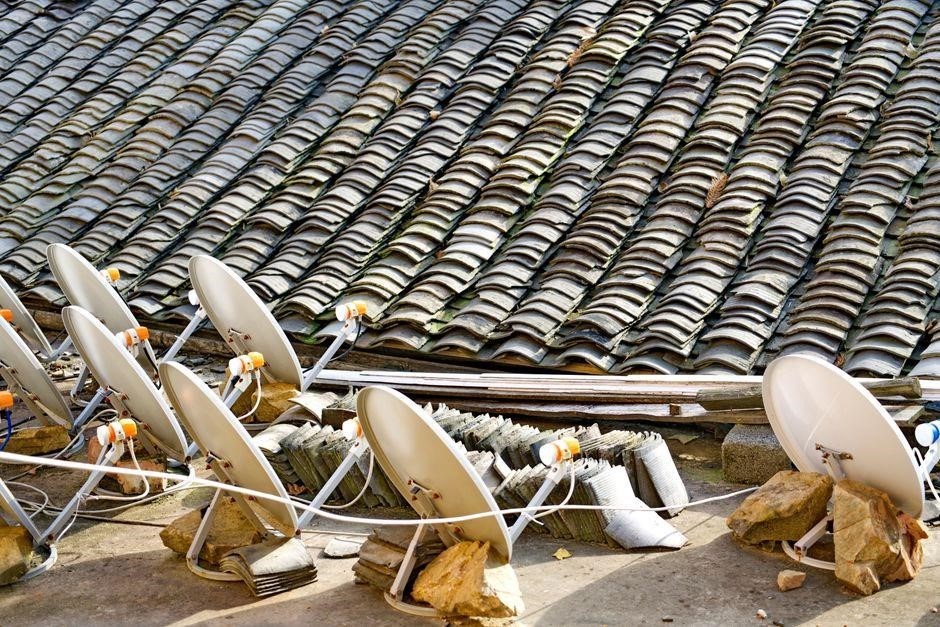
Anchorage’s harsh seasons dramatically influence antenna performance. In winter, heavy snowfall and ice accumulation on masts can bend or break supports, while low temperatures reduce electronic component efficiency, causing signal degradation. The city’s frequent fog and low‑lying clouds also increase atmospheric attenuation, especially on UHF frequencies. To counter these effects, many residents install weather‑proof enclosures, use stainless‑steel or aluminum poles with reinforced brackets, and add ice‑breakers or heated elements on critical antenna sections. During spring, thawing snow can create sudden shifts in pole alignment, so regular checks are essential. The melting process can also loosen coaxial connectors, leading to increased loss. Summer brings high humidity and occasional thunderstorms; lightning strikes pose a significant risk to exposed antennas. Surge protectors and proper grounding become mandatory, and some users opt for retractable antennas that can be pulled inside during storms. Fall’s wind speeds rise, especially during nor’easter‑like events, which can cause oscillation in the antenna. Installing vibration dampers or using heavier base plates helps maintain stability. Additionally, seasonal changes affect the propagation path: winter’s cold, dry air supports longer line‑of‑sight distances, improving VHF reception, whereas summer’s warm, moist air shortens the effective range, making UHF more reliable. Finally, FCC’s repack has shifted many stations to lower UHF bands, which are less susceptible to temperature‑related attenuation. By scheduling routine inspections at the start of each season, adjusting antenna height, and employing protective accessories, Anchorage viewers can maintain consistent, high‑quality reception year‑round. Alaska Division of Emergency Management alerts residents of storms, letting them secure antennas. A small solar panel can power a battery backup during outages, keeping the tuner running. Also, check for ice buildup weekly
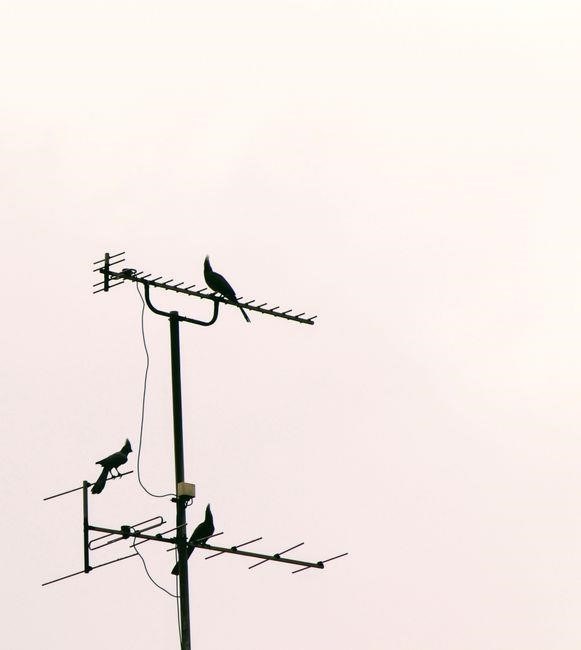
Resources and Further Reading for Anchorage Antenna Enthusiasts
For those eager to deepen their knowledge of Anchorage antenna systems, a curated list of online resources, forums, and official documents is essential. Start with the Federal Communications Commission website, which hosts the latest spectrum allocation maps, the 2023 repack schedule, and technical guidelines for antenna installation. The City of Anchorage provides a downloadable PDF of the 2024 municipal zoning ordinance that outlines permissible antenna heights and setback requirements for residential and commercial properties. For practical, hands‑on advice, the Radio Museum hosts a dedicated Anchorage section, featuring historical station data, signal propagation charts, and user‑submitted reception reports. Enthusiasts also benefit from the Reddit Alaska community frequently discusses local weather impacts on reception, sharing real‑time troubleshooting tips. The CNET’s antenna roundup and TechRadar’s guide, which include Anchorage‑specific performance tests. Finally, the AntennaTV channel offers videos tips for Alaskan conditions.