
New York Motorcycle Permit Test Study Guide
Navigating New York’s motorcycle permit process requires diligent preparation. Resources like YouTube offer CDL practice tests‚ while online guides clarify permit acquisition without a driver’s license.
Embarking on the journey to ride a motorcycle in New York State begins with obtaining a motorcycle permit. This permit serves as a provisional license‚ allowing individuals to practice riding under specific conditions before taking the full motorcycle road test. Successfully navigating the permit process is crucial‚ demanding a thorough understanding of New York’s traffic laws‚ motorcycle-specific regulations‚ and safe riding practices.
Preparation involves studying the New York State Motorcycle Handbook‚ readily available through the DMV‚ and utilizing supplementary resources like online practice tests – many found on platforms such as YouTube‚ offering CDL practice materials that can reinforce core knowledge. Understanding the requirements‚ from documentation to vision standards‚ is paramount. Even exploring options for obtaining a permit without a current driver’s license‚ as detailed in online guides‚ can prove beneficial. This initial step lays the foundation for a safe and legally compliant riding experience in New York.
II. Eligibility Requirements for a Motorcycle Permit
To qualify for a New York motorcycle permit‚ applicants must meet specific criteria established by the Department of Motor Vehicles (DMV). Generally‚ applicants must be at least 16 years old. Those under 18 require parental or guardian consent. A vision test is mandatory to ensure adequate eyesight for safe operation. While possessing a valid driver’s license isn’t always a prerequisite – resources detail pathways for those without – demonstrating knowledge of traffic laws and motorcycle operation is essential.
Applicants must pass a written knowledge test covering topics from the New York Motorcycle Handbook. Preparation resources‚ including YouTube practice tests (though geared towards CDL‚ they reinforce core principles)‚ are highly recommended. Furthermore‚ applicants must provide proof of identity and residency. Understanding these requirements beforehand streamlines the application process‚ ensuring a smoother path towards obtaining the permit and ultimately‚ the freedom of the open road.
III. Required Documents for Application
Successfully applying for a New York motorcycle permit necessitates gathering specific documentation to verify identity‚ residency‚ and eligibility. Applicants must present proof of identity‚ such as a valid driver’s license (if applicable)‚ passport‚ or birth certificate. Proof of New York State residency‚ like a utility bill or bank statement‚ is also crucial. The completed Motorcycle Permit Application (Form MV-487) is essential‚ obtainable from the DMV website or local office.
If under 18‚ a parent or guardian’s signature on the application is required‚ alongside proof of their identity. Social Security card documentation may be requested; While online resources like YouTube focus on CDL requirements‚ the core principle of providing valid identification remains consistent. Ensure all documents are original or certified copies; photocopies are generally not accepted. Careful preparation of these documents prevents delays in processing your application.
IV. The New York Motorcycle Permit Application Process
The New York motorcycle permit application process involves several key steps‚ beginning with obtaining Form MV-487 from the DMV website or a local office. Complete the form accurately and thoroughly‚ ensuring all required information is provided. Submit the completed application‚ along with the necessary documentation (proof of identity‚ residency‚ and Social Security card if applicable)‚ to a DMV office.

You will then need to pass a vision test. Following document verification and vision screening‚ you’ll be required to pass the motorcycle written knowledge test. Online resources‚ while often geared towards CDL practice (like those found on YouTube)‚ emphasize the importance of thorough study. Upon successful completion of both tests‚ you’ll receive your motorcycle permit‚ granting limited riding privileges until you obtain a full license.
V. Understanding the New York Motorcycle Handbook
The New York Motorcycle Handbook is the cornerstone of your permit test preparation. This comprehensive guide‚ available on the DMV website‚ details everything from motorcycle controls and safe riding techniques to specific traffic laws governing motorcycles in New York State. It covers crucial topics like hazard recognition‚ defensive riding strategies‚ and proper gear usage.
Thoroughly reading and understanding the handbook is paramount to success. While resources like YouTube offer practice tests for CDL endorsements (air brakes‚ combination vehicles)‚ the core knowledge for the motorcycle permit stems directly from this handbook. Pay close attention to sections on right-of-way‚ lane positioning‚ and emergency maneuvers; Familiarize yourself with diagrams and illustrations to reinforce your understanding of key concepts.
VI. Key Topics Covered on the Permit Test
The New York Motorcycle Permit Test assesses your understanding of crucial riding knowledge. Expect questions focusing on Motorcycle Controls and Instrumentation – identifying components and their functions. Safe Riding Strategies and Techniques will be heavily featured‚ including proper lane positioning‚ turning‚ and braking procedures. A significant portion tests your knowledge of Traffic Laws and Regulations Specific to Motorcycles‚ differing from standard vehicle laws.
Hazard Recognition and Avoidance is also critical; anticipate potential dangers and demonstrate appropriate responses. While CDL practice resources (air brakes‚ double/triple trailers) aren’t directly applicable‚ the principle of safe operation applies. The test emphasizes defensive riding and responsible decision-making. Prepare to interpret traffic scenarios and select the safest course of action.
A. Motorcycle Controls and Instrumentation
A thorough understanding of motorcycle controls is fundamental for safe operation and crucial for the permit test. You must identify and explain the function of key components like the throttle‚ clutch‚ brakes (front and rear)‚ gear shift lever‚ and turn signals. Familiarize yourself with the instrument panel – speedometer‚ odometer‚ fuel gauge‚ and warning lights.
Knowing the purpose of each control allows for precise handling and quick reactions; The test will likely present scenarios requiring you to identify which control operates a specific function. Understanding how these systems interact is vital. While CDL resources focus on commercial vehicle instrumentation‚ the core principles of control identification remain relevant. Mastery of these basics builds a foundation for confident riding.
B. Safe Riding Strategies and Techniques
Safe riding isn’t just about operating the motorcycle; it’s about proactive risk management. The New York permit test emphasizes defensive riding techniques. This includes maintaining a safe following distance‚ scanning your surroundings constantly‚ and being aware of potential hazards like road debris‚ potholes‚ and other vehicles.
Proper lane positioning is key – utilize the lane to maximize visibility and create a buffer. Cornering techniques‚ braking strategies‚ and emergency maneuvers are also important concepts. While CDL resources address large vehicle handling‚ the underlying principles of safe operation apply to all motorcycles. Prioritize visibility‚ anticipate potential dangers‚ and always ride within your skill level for a secure journey.
C. Traffic Laws and Regulations Specific to Motorcycles
New York State has specific traffic laws governing motorcycle operation. The permit test will assess your understanding of these regulations‚ which often differ from those applying to passenger vehicles. These include lane-splitting laws (currently prohibited in NY)‚ rules regarding motorcycle lane usage‚ and specific signaling requirements for turns and lane changes.
Motorcyclists must adhere to all general traffic laws‚ but also be aware of unique considerations. Understanding right-of-way rules at intersections‚ proper procedures for passing‚ and regulations concerning helmet and safety gear usage are crucial. While CDL resources focus on commercial vehicle laws‚ a foundational knowledge of traffic regulations is essential for all riders. Thoroughly review the New York Motorcycle Handbook for a comprehensive overview.

D. Hazard Recognition and Avoidance
A significant portion of the New York motorcycle permit test focuses on hazard perception and safe avoidance techniques. This includes identifying potential dangers like gravel‚ potholes‚ railroad tracks‚ and other road imperfections that pose a greater risk to motorcycles than to cars.

You’ll be tested on recognizing hazards created by other vehicles – drivers failing to see motorcycles‚ sudden lane changes‚ and tailgating. Understanding defensive riding strategies‚ such as maintaining a safe following distance‚ scanning the road ahead‚ and being visible to other drivers‚ is vital. While CDL practice tests address commercial vehicle hazards‚ the core principles of hazard recognition apply universally. Proactive awareness and quick reaction skills are paramount for motorcycle safety.
VII. Common Motorcycle Permit Test Questions
Expect questions assessing your understanding of safe riding practices and New York traffic laws specific to motorcycles. Many questions will center around proper turning techniques‚ lane positioning‚ and braking procedures. You’ll likely encounter scenarios requiring you to identify the safest course of action in various traffic situations‚ such as intersections and highway merging.
Questions regarding visibility – ensuring you are seen by other drivers – are frequent. Knowledge of headlight usage‚ reflective gear‚ and lane positioning for optimal visibility will be tested. While resources like CDL practice tests focus on commercial driving‚ the fundamental principles of road safety are shared. Be prepared to demonstrate understanding of right-of-way rules and the effects of adverse weather conditions on motorcycle handling.
VIII. Practice Tests and Study Resources
Numerous resources are available to aid in your preparation for the New York motorcycle permit test. Online practice tests‚ readily accessible through various websites‚ offer a simulated testing environment and help identify areas needing improvement. The DMV itself often provides sample questions‚ mirroring the format and content of the actual exam.
Furthermore‚ the Motorcycle Safety Foundation (MSF) offers comprehensive courses and materials‚ though these may involve a fee. YouTube channels‚ as highlighted in available resources‚ present CDL practice tests which‚ while geared towards commercial licenses‚ reinforce core road safety knowledge applicable to all riders. Utilizing a combination of these resources – official DMV materials‚ online quizzes‚ and potentially MSF courses – will significantly increase your chances of success.
A. Online Practice Tests
Online practice tests are invaluable tools for preparing for the New York motorcycle permit exam. These tests simulate the real exam environment‚ allowing you to become familiar with the question format and time constraints. Many websites offer free practice tests‚ providing immediate feedback on your answers and highlighting areas where further study is needed.
While these tests aren’t official DMV resources‚ they effectively gauge your understanding of traffic laws‚ motorcycle operation‚ and safety procedures. Remember to supplement these tests with the official New York Motorcycle Handbook. Resources like YouTube‚ though focused on CDL preparation‚ can reinforce fundamental road knowledge. Consistent practice using a variety of online tests will build confidence and improve your performance on the actual permit test.
B. DMV Practice Questions
The New York Department of Motor Vehicles (DMV) provides official practice questions designed to mirror the actual motorcycle permit test. These questions are the most reliable resource for understanding the specific topics and phrasing used on the exam. Accessing these practice questions directly from the DMV website ensures you’re studying the most current and accurate information.
While the quantity of DMV practice questions may be limited compared to third-party websites‚ their quality is unmatched. Supplementing these questions with broader online practice tests‚ and resources like YouTube videos (even those geared towards CDL exams which cover basic traffic laws)‚ can provide a more comprehensive review. Prioritize mastering the official DMV questions to maximize your chances of success on the permit test.
C. Motorcycle Safety Foundation (MSF) Resources
The Motorcycle Safety Foundation (MSF) is a nationally recognized leader in motorcycle safety education‚ offering invaluable resources for prospective riders in New York. While not directly providing New York-specific permit practice tests‚ the MSF’s comprehensive curriculum covers essential riding techniques‚ hazard awareness‚ and traffic laws – all crucial for passing the permit exam and becoming a safe rider.
The MSF offers Basic RiderCourses (BRC) which are highly recommended‚ even if not mandatory for the permit. These courses provide hands-on training and a solid foundation in motorcycle operation. Their website features articles‚ safety tips‚ and educational materials that complement DMV resources and online practice tests. Utilizing MSF resources demonstrates a commitment to safety and enhances your overall understanding of responsible motorcycle riding.
IX. Vision Requirements for Motorcycle Permit
Successfully obtaining a New York motorcycle permit hinges on meeting specific vision standards established by the Department of Motor Vehicles (DMV). Applicants must demonstrate adequate visual acuity to safely operate a motorcycle‚ ensuring clear perception of surroundings and potential hazards. Generally‚ a minimum visual acuity of 20/40 is required in at least one eye‚ with or without corrective lenses.
The DMV conducts vision tests during the permit application process. If you wear glasses or contact lenses‚ bring them to the testing center. Be prepared to read letters on an eye chart at varying distances. Failure to meet the vision requirements will result in permit denial until corrected vision is demonstrated. It’s advisable to have your vision checked by an optometrist beforehand to address any potential issues.

X. Motorcycle Safety Gear Requirements in New York
New York State mandates specific safety gear for all motorcycle operators and passengers‚ prioritizing rider protection and minimizing injury risk. The most crucial requirement is a DOT-approved helmet‚ legally required for all riders and passengers regardless of age or experience level. Beyond helmets‚ eye protection is essential; goggles‚ a face shield‚ or prescription glasses are necessary to shield against debris and wind.
While not legally mandated‚ wearing appropriate protective clothing – including a jacket‚ gloves‚ long pants‚ and sturdy footwear – is strongly recommended. These items offer crucial abrasion resistance in the event of a crash. Reflective gear enhances visibility‚ particularly during low-light conditions. Prioritizing quality safety gear significantly reduces the severity of potential injuries.
XI. Understanding New York’s Helmet Law
New York State’s helmet law is stringent‚ prioritizing rider safety and mandating head protection for all motorcycle operators and passengers. Regardless of age or riding experience‚ a DOT (Department of Transportation) approved helmet is legally required whenever operating or riding on a motorcycle. This law applies universally across the state‚ with no exceptions based on highway versus local roads.

The helmet must fit properly and be securely fastened. Non-compliance can result in fines and legal repercussions; Beyond legal requirements‚ a properly fitted helmet is the single most effective piece of safety gear‚ significantly reducing the risk of severe head injury or fatality in a crash. Riders should regularly inspect their helmets for damage and replace them as needed.
XII. Motorcycle Insurance Requirements
New York State law mandates that all motorcycle owners carry liability insurance. This coverage protects you financially if you cause an accident resulting in injury or property damage to others. Minimum coverage requirements include $25‚000 for bodily injury or death of one person‚ $50‚000 for bodily injury or death of two or more persons‚ and $10‚000 for property damage.
While these are the minimums‚ riders are strongly encouraged to consider higher coverage limits for greater financial protection. Additional coverage options‚ such as collision and comprehensive‚ can protect your motorcycle from damage or theft. Proof of insurance must be readily available when operating a motorcycle‚ and failure to maintain valid insurance can lead to penalties‚ including fines and suspension of riding privileges.
XIII. Restrictions on Motorcycle Permits
A New York motorcycle permit comes with several important restrictions designed to ensure rider safety during the learning phase. Permit holders are generally prohibited from riding after dark‚ meaning operation is limited to daylight hours. Furthermore‚ carrying passengers is typically not allowed while operating with a permit; solo riding is required to focus on developing essential skills.
Permit holders must also adhere to specific roadway restrictions‚ often being prohibited from riding on certain highways or parkways. It’s crucial to review the permit’s specific terms and conditions‚ as these restrictions are strictly enforced. Violating these restrictions can result in fines‚ suspension of the permit‚ or even denial of a full motorcycle license;
XIV. Graduated Licensing System in New York
New York employs a graduated licensing system for motorcyclists‚ designed to progressively introduce riders to the responsibilities of operating a motorcycle. The system begins with the motorcycle permit‚ allowing supervised practice riding with specific restrictions‚ such as daylight-only operation and no passengers.
Successful completion of a motorcycle safety course‚ like those offered by the Motorcycle Safety Foundation (MSF)‚ often waives the road test requirement‚ accelerating the licensing process. After the permit phase‚ riders typically progress to a probationary license‚ followed by a full‚ unrestricted motorcycle license. This phased approach ensures riders gain experience and demonstrate competence before being granted full riding privileges.
XV. Preparing for the Motorcycle Road Test
Thorough preparation is crucial for successfully passing the New York motorcycle road test. Beyond mastering basic motorcycle controls and safe riding techniques‚ applicants should practice maneuvers like smooth starts‚ stops‚ turns‚ and lane changes in a controlled environment. Familiarize yourself with the testing course layout‚ if possible‚ and anticipate potential challenges.
Consistent practice builds muscle memory and confidence. Review the New York Motorcycle Handbook thoroughly‚ paying close attention to sections on hazard perception and emergency procedures. Ensure your motorcycle is in good working order‚ meeting all safety requirements. A pre-test inspection can prevent mechanical issues from jeopardizing your performance.
XVI. What to Expect During the Road Test
The New York motorcycle road test assesses your ability to operate a motorcycle safely and legally in real-world traffic conditions. Expect a comprehensive evaluation of your skills‚ beginning with a pre-ride inspection where you’ll demonstrate knowledge of motorcycle components. The examiner will then guide you through a series of maneuvers‚ including controlled stops‚ precise turns‚ and lane changes.
You’ll be evaluated on your ability to maintain proper lane positioning‚ scan for hazards‚ and react appropriately to changing traffic situations. Adherence to all traffic laws and signals is paramount. Maintain a calm and focused demeanor‚ demonstrating confidence and control throughout the test. Remember to use your mirrors and signals consistently.
XVII. Common Mistakes to Avoid During the Road Test
Successfully navigating the New York motorcycle road test requires avoiding common pitfalls that often lead to failure. One frequent error is inadequate hazard perception – failing to scan effectively and anticipate potential dangers. Neglecting proper signaling‚ especially before turns and lane changes‚ is another significant mistake. Many candidates struggle with maintaining consistent speed control and smooth clutch operation.
Poor head checks‚ improper braking techniques‚ and failing to establish a safe following distance are also common errors. Nervousness can lead to rushed maneuvers and overlooked procedures. Remember the pre-ride inspection; skipping steps demonstrates a lack of preparedness. Finally‚ ensure complete stops at stop signs and obey all traffic signals meticulously.
XVIII. New York CDL Air Brake Practice Test Resources
While seemingly unrelated to a standard motorcycle permit‚ resources for Commercial Driver’s License (CDL) air brake practice tests can indirectly aid preparation by reinforcing a focus on vehicle system understanding and safety protocols. YouTube provides a valuable platform for accessing these tests‚ with channels offering comprehensive walkthroughs and explanations. Specifically‚ videos demonstrate the functionality of air brake systems‚ crucial for any vehicle operation.
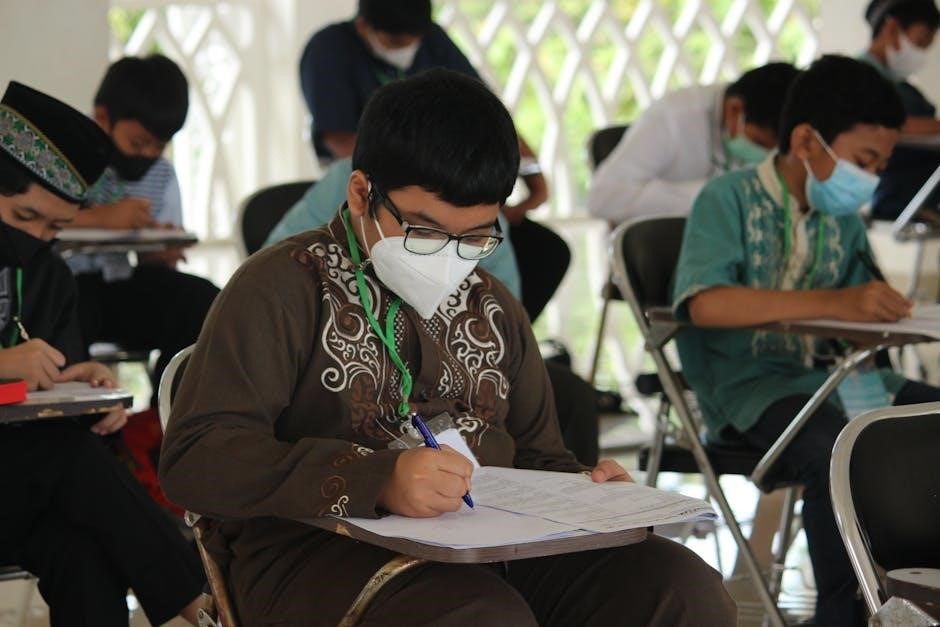
Although motorcycles don’t utilize air brakes‚ the discipline of studying complex vehicle systems translates to a more thorough approach to understanding a motorcycle’s controls. These resources emphasize pre-trip inspections and identifying potential mechanical issues‚ skills beneficial for all riders. Utilizing these tests fosters a mindset of proactive safety awareness.
XIX. New York CDL Combination Vehicles Test Resources

Surprisingly‚ studying resources for the New York CDL combination vehicles test can subtly enhance motorcycle permit preparation by sharpening spatial awareness and hazard perception skills. YouTube channels offer practice tests and detailed explanations‚ focusing on maneuvering large vehicles and understanding blind spots. While a motorcycle is vastly different‚ the core principle of anticipating other vehicles’ movements remains constant.
These CDL resources emphasize defensive driving techniques and maintaining safe following distances – crucial for motorcycle safety. Visualizing the challenges of handling a large combination vehicle reinforces the importance of being visible and predictable on a motorcycle. The focus on vehicle dynamics‚ though on a larger scale‚ builds a foundational understanding of how weight and balance affect control.
XX. New York CDL General Knowledge Test Resources
Interestingly‚ resources designed for the New York CDL general knowledge test can indirectly bolster your motorcycle permit study efforts by reinforcing fundamental traffic laws and safe driving principles. YouTube provides access to practice tests and instructional videos covering essential topics like road signs‚ right-of-way rules‚ and speed limits. These concepts are universally applicable‚ regardless of the vehicle operated.

A strong grasp of general driving knowledge forms a solid base for understanding motorcycle-specific regulations. The CDL materials emphasize hazard recognition‚ defensive driving‚ and the impact of adverse conditions – all vital for motorcycle riders; Mastering these basics will improve your ability to anticipate potential dangers and react appropriately on the road‚ ultimately contributing to safer riding practices.
XXI. New York CDL Double Triple Trailers Test Resources
While seemingly unrelated‚ studying resources for the New York CDL double/triple trailers test can surprisingly enhance your motorcycle permit preparation by sharpening your spatial awareness and understanding of vehicle dynamics. These resources emphasize maintaining safe following distances‚ anticipating the movements of larger vehicles‚ and managing complex maneuvers – skills directly transferable to motorcycle operation.
The CDL materials highlight the importance of proper load securement and weight distribution‚ concepts that indirectly reinforce the need for balance and control‚ crucial for motorcycle handling. Furthermore‚ understanding the limitations of large vehicles fosters empathy and anticipation of their actions‚ improving your hazard perception as a motorcyclist. Though focused on commercial driving‚ the principles of safe vehicle operation are universally valuable.

XXII. Obtaining a Motorcycle Permit Without a Driver’s License
New York State presents a unique pathway for aspiring motorcyclists: obtaining a motorcycle permit even without possessing a standard driver’s license. This option caters to individuals focused solely on motorcycle operation‚ bypassing the need for general driving privileges initially. However‚ specific requirements and restrictions apply‚ demanding thorough understanding before proceeding.
Applicants must still demonstrate knowledge of traffic laws and safe riding practices through the written permit test‚ utilizing the New York Motorcycle Handbook as the primary study resource. Passing this test is crucial. Furthermore‚ successful permit holders are subject to restrictions‚ typically limiting riding to daylight hours and prohibiting passenger transport. Resources online‚ like guides detailing permit acquisition‚ can clarify these nuances‚ ensuring a smooth and legally compliant entry into the world of motorcycling.
XXIII. Resources for Further Study and Information
Comprehensive preparation for the New York motorcycle permit test necessitates utilizing a variety of readily available resources. YouTube channels offer valuable CDL practice tests‚ indirectly reinforcing core traffic knowledge applicable to motorcycle operation. Online guides‚ as evidenced by resources detailing permit acquisition without a driver’s license‚ provide focused information on New York’s specific regulations.
The official New York State DMV website remains the primary source for the Motorcycle Handbook‚ sample test questions‚ and application procedures. Supplementing this with the Motorcycle Safety Foundation (MSF) resources – though not explicitly mentioned in the provided data – is highly recommended. These resources offer comprehensive rider education and safety training. Exploring these avenues ensures a thorough understanding of the rules of the road and safe riding techniques‚ maximizing your chances of success on the permit test and beyond.