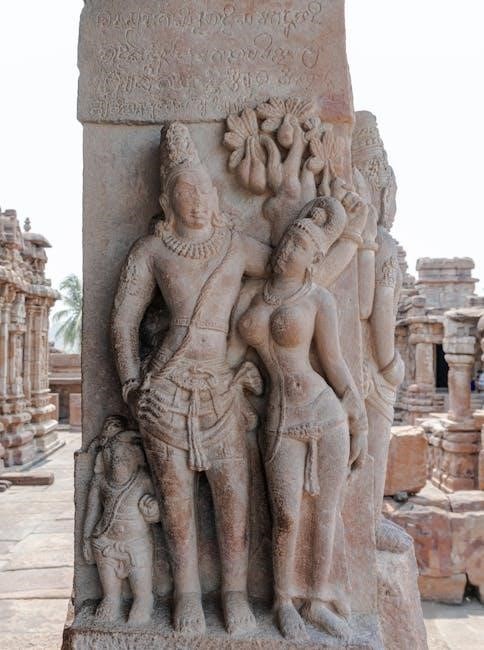
Ardhanareeswara Stotram Telugu PDF: A Comprehensive Plan
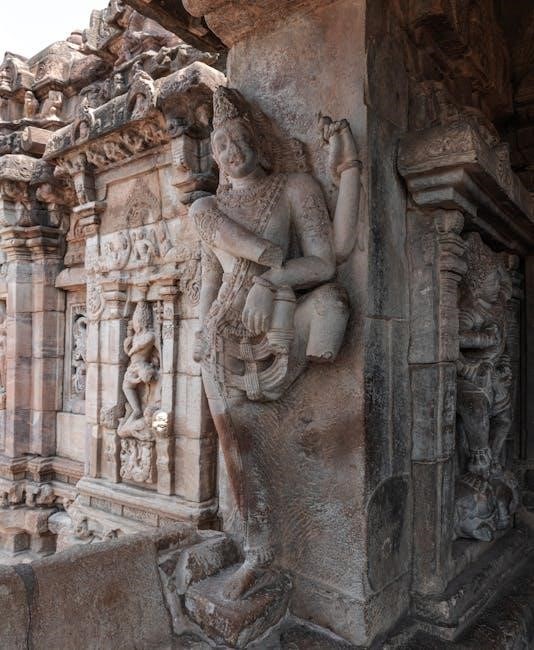
Numerous online resources, including Stotra Nidhi, HinduNidhi, and Hari Ome, offer the Ardhanareeswara Stotram in Telugu PDF format.
These digital versions provide convenient access to the sacred verses,
facilitating devotional practice and spiritual exploration for Telugu-speaking devotees.
Ardhanareeswara, a captivating and profound representation within the Hindu pantheon, embodies the divine union of Lord Shiva and Goddess Shakti. This unique form, visually depicted as half-male and half-female, symbolizes the inherent equality and interconnectedness of masculine and feminine energies – essential principles in the cosmic order. The Ardhanareeswara concept transcends mere duality, illustrating that these energies are not opposing forces, but rather complementary aspects of the same ultimate reality.
The significance of this form extends beyond philosophical symbolism. It represents the perfect balance of creation and destruction, stillness and dynamism, logic and intuition. Devotees often seek the blessings of Ardhanareeswara for harmony in relationships, spiritual growth, and the realization of inner completeness. The Ardhanareeswara Stotram, particularly in its Telugu rendition, serves as a powerful medium to connect with this divine embodiment.
Access to the Stotram in Telugu PDF format, readily available through platforms like Stotra Nidhi, HinduNidhi, and Hari Ome, allows a wider audience to engage with this sacred text, fostering devotion and understanding of this complex and beautiful deity. The Telugu translations ensure accessibility for native speakers, preserving the nuances of the original verses.
The Significance of the Stotram
The Ardhanareeswara Stotram, particularly when accessed in its Telugu PDF format from sources like Stotra Nidhi, HinduNidhi, and Hari Ome, holds immense spiritual significance for devotees. It’s not merely a recitation of verses, but a potent invocation of the divine energy embodied by Ardhanareeswara – the harmonious union of Shiva and Shakti. Chanting the Stotram is believed to dissolve internal conflicts, fostering balance and wholeness within the individual.
The Telugu lyrics, preserved in these readily available PDFs, allow for a deeper connection with the deity for Telugu-speaking practitioners. The verses are meticulously crafted to evoke a sense of reverence and facilitate meditative contemplation on the nature of reality. Regular recitation is thought to purify the mind, enhance spiritual awareness, and promote emotional stability.
Furthermore, the Stotram serves as a powerful tool for understanding the philosophical underpinnings of Ardhanareeswara’s form. It highlights the essential unity underlying apparent duality, encouraging devotees to recognize the divine feminine and masculine principles within themselves and the universe. The accessibility of the Telugu PDF versions democratizes this spiritual practice, making it available to a broader community.
Historical Context of the Stotram

Tracing the precise historical origins of the Ardhanareeswara Stotram proves challenging, though its roots are deeply embedded within the Shaiva tradition. While specific authorship remains debated, the concept of Ardhanareeswara itself appears in ancient Hindu scriptures like the Mahabharata and the Shiva Purana, predating many formalized Stotrams. The Telugu versions, now widely available as PDFs through platforms like Stotra Nidhi, HinduNidhi, and Hari Ome, represent a later adaptation and transmission of this ancient reverence.
The popularity of the Stotram likely grew alongside the broader devotional movement within South India, where Shaivism flourished. The translation into Telugu facilitated its accessibility to a wider audience, preserving the verses for generations. The availability of these PDFs today signifies a continuation of this historical transmission, allowing contemporary devotees to connect with a tradition spanning centuries.
The textual variations found across different PDF versions suggest an evolving oral tradition before standardization. However, the core essence – the glorification of Ardhanareeswara – remains consistent, reflecting the enduring power of this potent devotional hymn within the Hindu spiritual landscape.

Origins and Authorship
Determining the definitive origin and authorship of the Ardhanareeswara Stotram remains a complex endeavor. While the Ardhanareeswara concept itself is ancient, appearing in texts like the Shiva Purana and Mahabharata, the specific Stotram’s creation is less clearly documented. Many believe it evolved organically within the Shaiva devotional tradition, rather than being penned by a single author.
The Telugu versions, readily accessible as PDFs on sites like Stotra Nidhi, HinduNidhi, and Hari Ome, don’t explicitly state a known author. These PDFs represent translations and adaptations, likely compiled and refined over time by various devotees and scholars. The focus traditionally lies less on individual authorship and more on the devotional power of the verses themselves.
Some traditions attribute similar hymns to Adi Shankaracharya, though concrete evidence linking him directly to this specific Stotram is scarce. Regardless of its precise origins, the Telugu PDF versions serve as a testament to the enduring reverence for Ardhanareeswara and the dedication of those who preserved and shared this sacred text.
The Philosophical Basis of Ardhanareeswara
The Ardhanareeswara concept embodies a profound philosophical truth: the inherent unity of masculine and feminine energies, Shiva and Shakti. This isn’t merely a physical merging, but a symbolic representation of the universe’s fundamental duality and its ultimate non-duality. The Telugu PDF versions of the Stotram, available on platforms like Stotra Nidhi, HinduNidhi, and Hari Ome, serve as a conduit for understanding this complex idea.
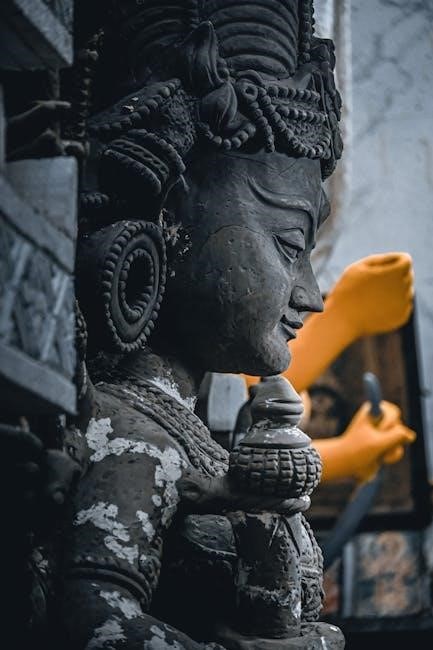
Advaita Vedanta, a prominent school of Hindu philosophy, posits Brahman as the ultimate reality, beyond gender. Ardhanareeswara illustrates this by demonstrating that Shiva, representing consciousness, is incomplete without Shakti, representing energy and creation. The combined form signifies the inseparable nature of these forces.
Reciting the Stotram, as facilitated by the Telugu PDFs, isn’t simply an act of worship, but a meditative practice aimed at realizing this inherent unity within oneself. It encourages transcending limiting perceptions of gender and embracing the wholeness of existence. The verses, therefore, are a powerful tool for spiritual awakening and self-realization.
Understanding Shiva and Shakti
Shiva, often depicted as the ascetic, represents pure consciousness, stillness, and the unmanifest. Shakti, his divine consort, embodies dynamic energy, creation, and the manifest universe. Understanding their individual attributes is crucial to grasping the Ardhanareeswara concept, readily accessible through Telugu PDF versions of the Stotram found on sites like Stotra Nidhi, HinduNidhi, and Hari Ome.
Shiva is the potential, the silent observer, while Shakti is the kinetic force that brings that potential into being. She is the power that animates the cosmos. Their union isn’t a subjugation of one by the other, but a harmonious interplay – Shiva providing the foundation, and Shakti the expression.
The Ardhanareeswara form visually demonstrates this interdependence. The left side represents Shakti, often adorned with feminine attributes, and the right side embodies Shiva. Studying the Stotram’s lyrics, available in Telugu PDFs, reveals verses praising both aspects, emphasizing their equal importance and inseparable nature. Recitation fosters a deeper appreciation for the balance of these energies within ourselves and the universe.
The Symbolism of the Combined Form
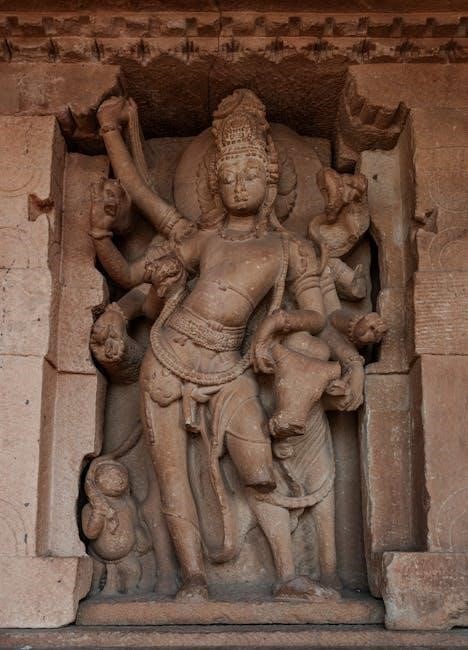
The Ardhanareeswara form, a unique representation of Shiva and Shakti united, is profoundly symbolic. The merging of masculine and feminine sides isn’t merely physical; it signifies the inherent unity of all existence, a concept beautifully expressed in the Ardhanareeswara Stotram, readily available in Telugu PDF format from resources like Stotra Nidhi, HinduNidhi, and Hari Ome.
The division down the middle isn’t a separation, but a demonstration that both energies are integral to wholeness. It illustrates that Shiva without Shakti is incomplete, and Shakti without Shiva lacks grounding. This duality reflects the universe itself – a constant interplay of opposing forces creating balance.
The Stotram’s lyrics, when studied in Telugu PDFs, often highlight specific symbolic elements, such as the adornments on each side, representing different aspects of creation and dissolution. The combined form transcends gender limitations, embodying both strength and nurturing, stillness and dynamism. It’s a powerful reminder that these qualities coexist within each individual, fostering inner harmony and spiritual growth.
Benefits of Reciting the Stotram
Reciting the Ardhanareeswara Stotram, easily accessible in Telugu PDF versions from platforms like Stotra Nidhi, HinduNidhi, and Hari Ome, is believed to bestow numerous spiritual and worldly benefits. Devotees often experience a deepening of their connection with both Shiva and Shakti, fostering inner peace and balance.
The Stotram is said to dissolve negative energies, remove obstacles, and promote harmony in relationships. Regular chanting can enhance creativity, intuition, and spiritual discernment. It’s considered particularly beneficial for those seeking to overcome duality and achieve a state of wholeness.
Furthermore, the Telugu PDFs often include explanations of the verses, allowing for a deeper understanding of the Stotram’s philosophical underpinnings. Consistent recitation, with correct pronunciation as detailed in available guides, is believed to lead to liberation and a closer realization of one’s true self. The Stotram’s power lies in its ability to awaken the divine within.
Availability of Telugu PDF Versions
The Ardhanareeswara Stotram in Telugu PDF format is readily available across several online platforms, catering to the growing demand for accessible devotional resources. Stotra Nidhi stands out as a prominent source, offering a well-formatted PDF alongside transliteration and detailed explanations. HinduNidhi also provides a downloadable PDF version, focusing on the lyrical content of the Stotram.
Hari Ome presents another convenient option, delivering the Stotram lyrics in Telugu alongside the PDF. Numerous other websites and spiritual blogs host these PDFs, ensuring widespread accessibility for devotees. These digital versions often include the Ashtakam and Ashtottara Shatanamavali, enhancing the devotional experience.
The PDFs vary in formatting and supplementary materials, but all provide the core verses of the Stotram in Telugu script. This widespread availability allows individuals to easily incorporate this powerful practice into their daily spiritual routine, regardless of location or access to traditional texts.
Popular Websites Offering the PDF

Several websites have emerged as popular hubs for accessing the Ardhanareeswara Stotram in Telugu PDF format. Stotra Nidhi consistently ranks high, providing a user-friendly interface and a reliably downloadable PDF of the Stotram, alongside related Shiva stotras. HinduNidhi is another frequently visited site, offering a direct link to the Telugu PDF and focusing on the lyrical transcription of the verses.
Hari Ome also features prominently in search results, delivering the Stotram lyrics in Telugu and a convenient PDF download option. Beyond these core platforms, various spiritual blogs and devotional websites curate and share the PDF, expanding its reach. These sites often include additional resources like pronunciation guides and explanations of the Stotram’s significance.
The ease of access provided by these websites contributes to the Stotram’s growing popularity among Telugu-speaking devotees, fostering a deeper connection with the divine through accessible spiritual practice.
Stotra Nidhi Resources
Stotra Nidhi stands out as a comprehensive resource for devotees seeking the Ardhanareeswara Stotram in Telugu PDF format. The website provides not only the downloadable PDF itself, but also a wealth of supplementary materials related to the Stotram and broader Shiva traditions. Notably, Stotra Nidhi features the Ardhanareeswara Ashtakam, a beautiful hymn dedicated to the deity, alongside the core Stotram text.
Furthermore, the platform hosts the Ardhanareeswara Ashtottara Shatanamavali – a collection of 108 sacred names – enhancing the devotional experience. The site’s organization allows users to easily navigate between these related texts, deepening their understanding of Ardhanareeswara’s multifaceted nature. Stotra Nidhi’s presentation is clean and accessible, making it a preferred choice for many.
The consistent availability and curated collection of resources solidify Stotra Nidhi’s position as a leading online destination for those seeking to engage with the Ardhanareeswara Stotram in Telugu.
HinduNidhi Resources
HinduNidhi provides a readily accessible Telugu PDF version of the Ardhanareeswara Stotram, catering specifically to Telugu-speaking devotees. The platform distinguishes itself by offering the Stotram lyrics directly within the webpage, alongside the downloadable PDF option, enhancing user convenience. Importantly, HinduNidhi highlights the core verses – “Chapeya Gourardha Shareerakaya, Karpura Gourardha Shareerakaya, Dhammillakaya, Jatadhara, Namah Shivaya” – emphasizing their significance within the Stotram’s structure.
The website’s presentation is straightforward, focusing on delivering the text efficiently. While it may not offer the extensive supplementary materials found on other platforms, HinduNidhi excels in providing a direct and uncomplicated access point to the Stotram’s lyrics. This simplicity makes it an ideal resource for those seeking a quick and reliable source for the Telugu text.
HinduNidhi’s commitment to providing devotional content in Telugu solidifies its value within the online Hindu community, offering a valuable resource for spiritual practice.
Hari Ome Resources
Hari Ome presents the Ardhanareeswara Stotram lyrics in Telugu, offering devotees a digital resource for devotional practice. The platform specifically features the opening verses – “Chapeya Gourardha Shareerakaya, Karpura Gourardha Shareerakaya, Dhammillakaya, Jatadhara, Namah Shivaya” – prominently, guiding users directly to the core of the Stotram. Notably, Hari Ome emphasizes the availability of the Ardhanareeswara Stotram Telugu PDF, making it easily downloadable for offline access and personal study.
The website’s approach is centered around providing the textual content, allowing devotees to engage with the Stotram’s verses directly. While it may not delve into extensive philosophical interpretations, Hari Ome serves as a practical resource for those seeking the lyrics in Telugu. This directness is particularly beneficial for individuals already familiar with the Stotram and seeking a convenient digital copy.
Hari Ome’s inclusion of the Ardhanareeswara Stotram within its collection of devotional materials demonstrates its commitment to preserving and sharing Hindu spiritual heritage.
Detailed Breakdown of the Stotram Lyrics (Telugu)
The Ardhanareeswara Stotram, when presented in Telugu PDF format, often begins with the powerful invocation: “Chapeya Gourardha Shareerakaya, Karpura Gourardha Shareerakaya, Dhammillakaya, Jatadhara, Namah Shivaya.” This opening verse vividly describes the divine form – half Shiva, half Shakti. ‘Chapeya Gourardha Shareerakaya’ refers to the radiant, moon-like half of the body, representing Shiva’s ascetic nature. ‘Karpura Gourardha Shareerakaya’ depicts the fragrant, camphor-like half, embodying Shakti’s beauty and grace.
Further verses elaborate on the combined form, highlighting the matted locks (Jatadhara) and invoking ‘Namah Shivaya’ repeatedly, emphasizing reverence. The lyrics meticulously detail the harmonious union of masculine and feminine energies. PDF versions frequently include transliteration and translations to aid understanding for those less familiar with Telugu.
A complete breakdown reveals the Stotram as a poetic expression of cosmic balance, where Shiva and Shakti are inseparable aspects of the same divine reality. The Telugu text preserves the nuances of the original Sanskrit, offering a profound spiritual experience.
Chapeya Gourardha Shareerakaya
The phrase “Chapeya Gourardha Shareerakaya”, prominently featured in the Ardhanareeswara Stotram’s Telugu PDF versions, describes one half of the divine androgynous form. ‘Chapeya’ alludes to the moon, symbolizing coolness, tranquility, and the ascetic nature often associated with Lord Shiva. ‘Gourardha Shareerakaya’ translates to “half of the radiant body,” specifically referring to the side representing Shiva.
This imagery evokes a vision of Shiva’s half being luminous like the moon, embodying detachment and spiritual elevation. The Telugu PDFs often provide detailed explanations of this symbolism, connecting it to Shiva’s role as the ultimate yogi and renunciate. Devotees reciting this verse visualize Shiva’s serene and meditative aspect.
Understanding this phrase is crucial for grasping the Stotram’s core message of unity and balance. The PDF resources emphasize that this lunar aspect isn’t merely physical but represents a state of consciousness; It signifies the power of stillness and introspection, essential for spiritual growth.
Karpura Gourardha Shareerakaya
The verse “Karpura Gourardha Shareerakaya”, consistently present in Ardhanareeswara Stotram Telugu PDF documents, describes the other half of the combined deity. ‘Karpura’ refers to camphor, known for its fragrant aroma and cooling properties, but more importantly, its association with purity and transformation. ‘Gourardha Shareerakaya’, as before, denotes “half of the radiant body,” this time representing the Shakti aspect of Ardhanareeswara.
This imagery portrays Shakti’s half as radiant and fragrant like camphor, symbolizing her dynamic energy, creative power, and nurturing qualities. Telugu PDF versions often elaborate on this symbolism, linking it to Shakti’s role as the divine mother and the source of all creation. Reciting this verse encourages devotees to visualize Shakti’s vibrant and life-affirming energy.
Comprehending this phrase is vital for appreciating the Stotram’s message of harmonious union. The available PDFs highlight that this camphor-like aspect isn’t just physical but embodies a state of blissful awareness. It represents the power of transformation and the potential for liberation through divine grace.
Dhammillakaya and Jatadhara
The phrases “Dhammillakaya” and “Jatadhara”, frequently appearing within Ardhanareeswara Stotram Telugu PDF texts, detail specific attributes of Shiva’s form within the combined deity. “Dhammillakaya” describes a form adorned with a shining, radiant appearance, often interpreted as representing Shiva’s inherent brilliance and transcendental nature. PDF versions emphasize this radiance as a symbol of Shiva’s purity and detachment from worldly illusions.
“Jatadhara” refers to Shiva’s matted locks, a characteristic feature signifying his asceticism, wisdom, and control over the mind. These locks are often depicted holding the crescent moon and the river Ganges, further symbolizing his power and grace. Telugu PDFs explain that visualizing Shiva as ‘Jatadhara’ encourages devotees to cultivate inner stillness and detachment.
Together, these descriptions paint a vivid picture of Shiva’s majestic presence within Ardhanareeswara. The PDFs consistently highlight that understanding these attributes is crucial for a deeper appreciation of the Stotram’s philosophical message. They represent Shiva’s unwavering stability and the source of cosmic energy.
Namah Shivaya Repetitions
A prominent feature within the Ardhanareeswara Stotram, as detailed in Telugu PDF versions, is the frequent repetition of “Namah Shivaya.” This sacred mantra, dedicated to Lord Shiva, isn’t merely a recitation but a powerful tool for spiritual purification and connection. PDF texts emphasize that each repetition dissolves ego and negativity, paving the way for divine grace.
The Stotram’s structure strategically incorporates “Namah Shivaya” after describing specific attributes of the combined Ardhanareeswara form. This repetition serves as an affirmation of devotion and a means of internalizing the deity’s qualities. Telugu PDFs often provide guidance on the correct pronunciation and intonation to maximize the mantra’s efficacy.
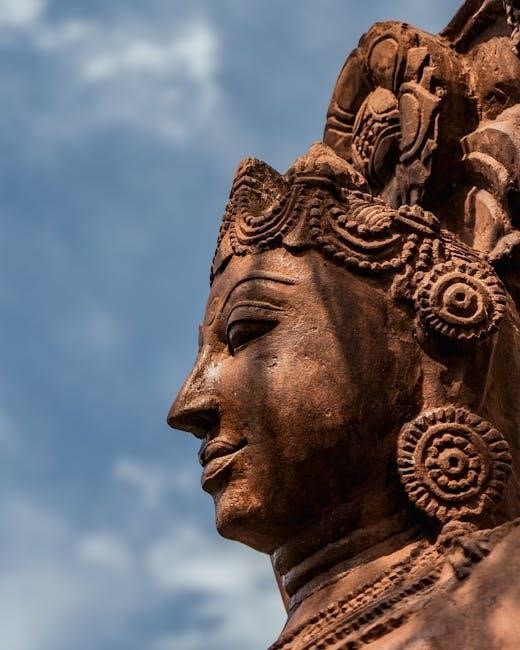
Devotees utilizing these PDF resources are encouraged to chant along while reading, amplifying the Stotram’s impact. The consistent “Namah Shivaya” acts as a rhythmic anchor, deepening meditative focus. PDFs also suggest incorporating this mantra into daily practice for sustained spiritual growth and liberation.
Ardhanareeswara Ashtakam
The Ardhanareeswara Ashtakam, a hymn of eight verses, is a central component found within many Ardhanareeswara Stotram Telugu PDF resources. This powerful stotra beautifully describes the divine union of Shiva and Shakti in their combined form. PDF versions readily available online, particularly from Stotra Nidhi, present the verses in Telugu script alongside transliterations and translations.
Each verse (shloka) of the Ashtakam elaborates on a specific aspect of Ardhanareeswara’s glory, highlighting the balance of masculine and feminine energies. Telugu PDFs often include detailed commentaries explaining the symbolism embedded within each line. Devotees can access these resources to deepen their understanding and appreciation of the stotra’s profound meaning.
The Ashtakam’s lyrical beauty and spiritual depth make it a favorite among devotees seeking to connect with the divine. PDFs facilitate easy access for recitation and contemplation, fostering a closer relationship with Ardhanareeswara. Regular chanting, guided by these Telugu resources, is believed to bestow blessings of harmony, balance, and spiritual liberation.

Ardhanareeswara Ashtottara Shatanamavali
The Ardhanareeswara Ashtottara Shatanamavali, a collection of 108 sacred names, is a significant part of the Ardhanareeswara tradition, and frequently included in Telugu PDF compilations. Resources like Stotra Nidhi provide downloadable PDFs containing these names in Telugu script, alongside their meanings and associated benefits. This practice of chanting the 108 names is considered highly auspicious.
Each name (namavali) encapsulates a unique attribute or aspect of Ardhanareeswara, revealing the multifaceted nature of the divine union. Telugu PDFs often offer transliterations to aid pronunciation and understanding for those unfamiliar with the script. Devotees utilize these resources for daily worship and spiritual practice.
The recitation of the Ashtottara Shatanamavali is believed to invoke Ardhanareeswara’s blessings, fostering inner peace, harmony, and spiritual growth. PDF versions make this powerful practice accessible to a wider audience, allowing individuals to connect with the divine through the repetition of these sacred names. Consistent chanting, guided by these Telugu resources, is thought to dissolve obstacles and lead to liberation.
Correct Pronunciation and Chanting Techniques
Accurate pronunciation is crucial when reciting the Ardhanareeswara Stotram in Telugu, and many PDF resources emphasize this. While Telugu PDFs provide the script, understanding the phonetic nuances requires guidance. Online audio recitations, often linked from sites like Hari Ome and Stotra Nidhi, are invaluable for learning the correct sounds.

Chanting techniques involve maintaining a steady rhythm and clear articulation of each syllable. Devotees are encouraged to listen to experienced chanters to grasp the proper intonation. The Stotram’s power lies not only in its words but also in the vibrational energy created through precise pronunciation.
PDF versions sometimes include transliterations with phonetic guides to assist non-native speakers. Proper breathing techniques, combined with focused intention, enhance the meditative quality of the recitation. Consistent practice, utilizing both the Telugu script and audio aids, leads to improved pronunciation and a deeper connection with the Stotram’s spiritual essence. Ultimately, sincere devotion is paramount, but correct pronunciation amplifies the Stotram’s efficacy.
Rituals Associated with Stotram Recitation
While Telugu PDF versions of the Ardhanareeswara Stotram primarily focus on the lyrics, understanding associated rituals enhances the practice. Traditionally, recitation is often preceded by purification rites, including a cleansing bath and offering incense. Creating a sacred space – an altar adorned with flowers, a Shiva lingam, and images of Ardhanareeswara – is common.
Many devotees perform the recitation facing east or north, symbolizing auspiciousness. Offering a lamp (deepa) and fragrant flowers during chanting is considered highly beneficial. The number of repetitions (japas) can vary, often multiples of nine or 108, depending on individual practice and guidance from spiritual teachers.
Some traditions incorporate the offering of fruits or sweets after the recitation. PDF resources from sites like Stotra Nidhi may allude to these practices, though detailed ritual instructions are often found in separate texts. The key element is approaching the Stotram with reverence and a sincere heart, fostering a deeper connection with the divine energy of Shiva and Shakti. Ultimately, the ritual serves to create a conducive atmosphere for spiritual absorption.
Impact of Recitation on Spiritual Well-being
Consistent recitation of the Ardhanareeswara Stotram, even utilizing Telugu PDF versions for guidance, is believed to yield profound spiritual benefits. Devotees report a sense of inner peace, emotional balance, and increased self-awareness. The Stotram’s verses, when chanted with devotion, are thought to dissolve negative energies and karmic blockages.
The combined form of Shiva and Shakti represented in the Stotram symbolizes the union of masculine and feminine energies within oneself. Regular practice can help individuals integrate these aspects, fostering wholeness and harmony. Accessing the Stotram through readily available Telugu PDFs encourages wider participation in this transformative practice.
Furthermore, recitation is said to enhance intuition, creativity, and spiritual discernment. Many believe it strengthens the connection to the divine, leading to a deeper understanding of life’s purpose. The rhythmic chanting itself can be meditative, calming the mind and promoting a state of blissful awareness. Ultimately, the Stotram serves as a powerful tool for spiritual growth and liberation.
The Enduring Power of the Stotram
The Ardhanareeswara Stotram, readily accessible in Telugu PDF formats from sources like Stotra Nidhi, HinduNidhi, and Hari Ome, continues to resonate deeply with devotees across generations. Its timeless verses encapsulate profound philosophical truths about the interconnectedness of existence and the divine balance within us all.
The convenience of digital PDFs has broadened access, allowing more individuals to engage with this sacred text and experience its transformative power. Whether chanted in traditional settings or studied privately, the Stotram’s impact remains consistently potent. Its lyrical beauty and spiritual depth inspire devotion and contemplation.
Ultimately, the enduring appeal of the Ardhanareeswara Stotram lies in its ability to connect us to the divine, fostering inner peace, and promoting spiritual growth. The Telugu PDFs serve as invaluable tools, preserving and disseminating this ancient wisdom for the benefit of all seekers. Its legacy will undoubtedly continue to flourish for centuries to come.