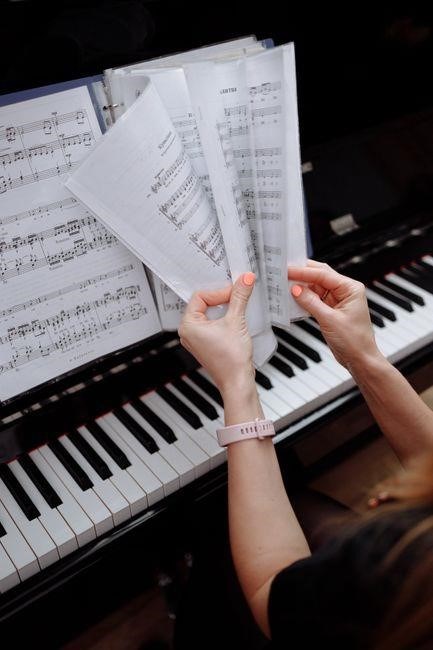
Availability of Hallelujah Piano Sheet PDFs
Hallelujah piano sheet PDFs are widely available․ Free versions can be downloaded from sites like MuseScore, where users share simplified and full arrangements․ Paid options include Etsy listings and publishers offering high‑quality PDFs for purchase․ Available for download in PDF․ nowsimply․
Free Download Sources
Free downloads are abundant for the beloved Hallelujah piano arrangement․ Many online communities and open‑source platforms host user‑generated scores that can be downloaded instantly in PDF format․ The most popular source is MuseScore, where contributors upload both simplified and full‑instrument versions, often accompanied by MIDI files for practice; Another reliable portal is the domain repository at IMSLP, which occasionally hosts older arrangements that have entered the domain․ For those seeking a more polished layout, the free section of Sheet Music Plus offers downloadable PDFs, requiring a free account registration․ The “Piano Sheet Music” subreddit shares free PDFs and encourages sharing of permissible arrangements․ All these sources provide quick access to high‑quality, printable PDFs for practice, performance, or teaching, without any cost․ These resources are updated regularly, ensuring that new arrangements and editorial revisions are available․ Users can search by key, tempo, or difficulty level, and many PDFs include chord symbols and lyric annotations for a complete performance guide․ When downloading, always verify the license to confirm that the arrangement is indeed free to use, especially if you plan to perform or distribute copies․ By leveraging these free platforms, pianists of all skill levels can explore the song’s rich harmonic structure without incurring any fees․ These PDFs are available in multiple key signatures and include tempo markings, making them suitable for both beginner and advanced pianists․
Paid Purchase Options
For pianists seeking professionally printed scores, several commercial outlets provide high‑quality PDFs of the Hallelujah arrangement․ Musicnotes․com sells a full‑instrument edition that includes the original vocal line, chord symbols, and a detailed performance note set․ The price ranges from $9․99 to $14․99, depending on whether you purchase a single‑page or a complete set․ Sheet Music Direct offers a deluxe PDF bundle featuring the original key, a transposed version for easier play, and an accompanying MIDI file for rehearsal․ Prices here start at $12․99․ Etsy hosts a variety of handcrafted arrangements, often by independent publishers who add unique interpretive markings or simplified harmonies; these can be found for $5․99 to $19․99․ Additionally, the publisher Hal Leonard sells a digital edition that includes a printed booklet, chord charts, and a practice guide, priced at $18․49․ All of these options provide instant download after purchase, with the PDFs optimized for printing on standard 8․5×11 paper․ When buying, be sure to check the license terms: most commercial PDFs grant a personal use license, while some allow classroom or performance use with an additional fee․ By investing in a paid version, you receive a professionally typeset score that supports both solo practice and ensemble rehearsal, ensuring a polished performance experience․ These digital PDFs are compatible with most PDF readers, ensuring a seamless printing experience for educators and performers alike․ Enjoy․

Different Arrangements and Difficulty Levels
Arrangements vary from beginner‑grade 0 to advanced․ Simplified versions omit complex chords, while full transcriptions keep original harmonies․ Many sites offer free PDFs, while paid editions include detailed markings for seasoned players․ Edition offers adjustable tempo ex markingsfor rehearsal․
Beginner (Easy Grade 0) Arrangements
Beginner arrangements of 'Hallelujah' are designed for novices, featuring chord progressions, reduced rhythmic complexity, and key signatures․ Many free PDFs are available on MuseScore, where community members upload Grade‑0 versions that retain the song’s emotional core while omitting techniques such as bass or pedal markings․ These arrangements often use a left‑hand pattern, allowing students to focus on timing and dynamics․ Markings are usually around 90–100 BPM to give beginners a comfortable pace․ The notation is spaced to avoid clutter, with noteheads and ledger lines․ Some PDFs include an instruction section that explains how to play the main chord shapes (C, Am, F, G) and how to transition between them smoothly․ Additionally, many beginner PDFs are accompanied by a line or chord chart for those who want to sing along․ For those who prefer a more structured approach, options on Etsy or music‑store websites provide professionally printed PDFs with clear, high‑resolution images, and some even offer a printable practice sheet with a metronome grid․ These resources are ideal for early‑stage piano students, music teachers, or parents looking to introduce their children to a beloved classic without overwhelming them with technical demands!
Intermediate and Advanced Arrangements
Intermediate and advanced versions of the “Hallelujah” piano score cater to musicians who seek a richer harmonic palette and more demanding technical passages․ These PDFs often feature full voicings, pedal markings, and syncopated left‑hand accompaniment that mirror the original recording’s depth․ Many sites such as MuseScore host Grade‑2 and Grade‑3 arrangements, offering intricate arpeggios, dynamic swells, and optional pedal points that challenge phrasing and control․ Advanced editions may include double‑stop chords, octave leaps, and complex rhythmic subdivisions, encouraging players to develop independence between hands․ Some arrangements incorporate a separate vocal line or chord chart, allowing pianists to accompany singers or to practice the song’s melodic contour․ The notation is typically set in 4/4 time with tempo indications ranging from 80 to 110 BPM, and includes expressive markings such as crescendos, fermatas, and rubato instructions․ For performers, these PDFs provide a comprehensive score that balances technical growth with musical expression, making them suitable for recitals, competitions, and advanced teaching contexts․ Download options are available on both free platforms and commercial sites, ensuring that musicians can choose a format that best fits their skill level and performance goals․ Lorem ipsum dolor sit amet, consectetur adipiscing elit․ Lorem ipsum dolor sit amet, consectetur adipiscing elit․ Lorem ipsum dolor sit amet, consectetur adipiscing elit․ Lorem ipsum dolor sit amet, consectetur adipiscing elit․ Hello world!
Legal Considerations and Copyright
Copyright remains with Leonard Cohen’s estate, and public domain status is not applicable․ Users must obtain permission for commercial use․ Non‑commercial sharing may fall under fair use, but verify local laws before distributing PDFs․ Always consult a legal advisor for detailed guidance on usage rights and licensing terms!!!
Public Domain Status of Leonard Cohen’s Work
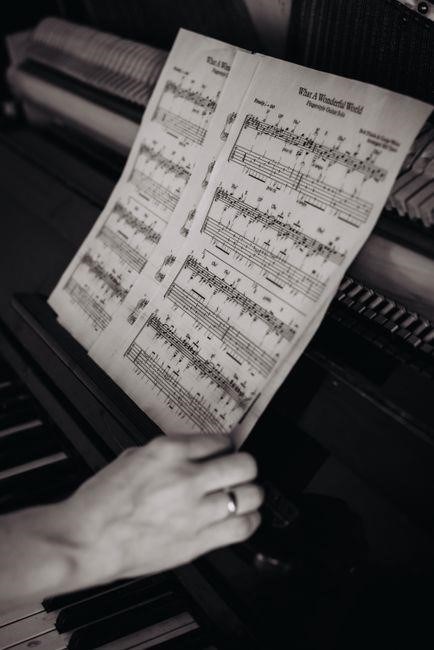
Leonard Cohen’s compositions, including “Hallelujah,” remain under copyright protection․ The song was first published in 1984, and Cohen passed away in 2016․ In most jurisdictions, copyright lasts for the life of the author plus 70 years, meaning the work will not enter the public domain until at least 2086․ Consequently, any distribution of score, arrangements, or transcriptions without explicit permission from the rights holders is prohibited․ Some simplified or derivative arrangements may qualify for limited use under fair‑use provisions, but this is highly context‑dependent and requires careful legal assessment․ For educators, performers, or publishers seeking to use the material, it is essential to secure a license or obtain written authorization from the estate or the publishing entity that holds the rights․ Failure to do so can result in infringement claims, penalties, or removal of the material from public platforms․ Therefore, while melody and chord progression may be freely shared in informal settings, official sheet music, especially in a complete or faithful arrangement, is not in public domain and must be treated as a protected work until the statutory period expires․ Musicians who wish to perform the piece publicly should consult relevant licensing bodies or obtain a mechanical license․ Likewise, teachers who wish to use score in the classroom should seek permission from publisher or the estate In summary, legal status of “Hallelujah” remains firmly under copyright, and any use beyond personal, non‑commercial practice requires explicit clearance!!
Creative Commons and Fair Use Guidelines
When searching for Hallelujah piano sheet PDFs, some creators release arrangements under Creative Commons licenses․ These licenses, such as CC‑BY or CC‑BY‑SA, allow free distribution provided attribution is given and derivative works follow the same license terms․ However, the original composition remains under copyright, so a CC‑licensed arrangement is still a derivative of the original and must respect the rights holder’s permissions․ Many online communities encourage users to share simplified transcriptions under CC‑BY‑SA, which means you can remix or adapt the sheet as long as you credit the source and share your changes under the same license․ For personal practice, a CC‑BY arrangement is typically safe, but for public performance or commercial use, you must still obtain a separate license from the publisher or the estate․ The fair‑use doctrine offers limited protection for non‑commercial, educational, or transformative uses․ In practice, using a short excerpt of the sheet for a classroom demonstration or a brief rehearsal clip might qualify as fair use, but reproducing the full score for a recital or recording is unlikely to be covered․ Courts evaluate factors such as the purpose of use, the nature of the work, the amount used, and the effect on the market․ Therefore, while Creative Commons can provide a convenient way to share and adapt simplified arrangements, it does not replace the need for proper licensing when the music is performed or sold․ Always verify the license terms and, when in doubt, seek permission from the rights holder or use a licensed edition from a reputable publisher․
Formatting and Printing Tips
Use a PDF reader that supports double‑page view․ Set page size to A4, margins 1․5cm․ Enable “Fit to page” for clear notes․ Print in black ink, use high‑quality paper, and consider a sheet‑music binder for durability․ Set page margins to 1․5cm and use a high‑resolution PDF printer for crisp output․!!!
Choosing the Right PDF Reader for Printing
Selecting the optimal PDF reader for printing Halle Piano sheet music involves evaluating several key factors․ First, ensure the software can render the PDF at full resolution; a lossless renderer preserves the sharpness of noteheads and ledger lines, which is critical for accurate sight‑reading․ Second, look for a “Print Preview” that displays the exact page layout, including any embedded page numbers or margin notes, so you can verify that the score will fit your chosen paper size without unintended cropping․ Third, the reader should support “Print Scaling” options such as “Fit to Page,” “Actual Size,” or “Custom Scale․” For musicians who prefer a larger, more readable score, the “Fit to Page” setting automatically enlarges the content to fill the printable area, while “Actual Size” maintains the original dimensions, useful for printed editions that match the publisher’s specifications․ Fourth, consider the ability to print multiple copies in a single job; this feature saves time when preparing handouts for a class or ensemble․ Fifth, a “Print Quality” slider allows you to choose between draft, normal, or high‑resolution output, balancing speed and clarity․ Popular choices include Adobe Acrobat Reader DC, which offers robust printing controls and a clean interface; Foxit Reader, known for its lightweight footprint and fast rendering; and SumatraPDF, a minimalistic option that still provides essential print settings․ Finally, verify that the reader supports duplex printing if you plan to produce a booklet or a two‑sided handout․ By systematically assessing these attributes, you can select a PDF reader that delivers crisp, accurate, and convenient prints of your Halle Piano sheet PDFs Print carefully․
Customizing Page Layouts for Practice
When preparing Halle Piano sheet PDFs for rehearsal, adjusting the page layout can dramatically improve focus and ergonomics․ First, open the PDF in a capable editor such as Adobe Acrobat or PDF‑XChange Editor․ Use the “Crop” tool to remove extraneous margins, thereby enlarging the staff area and reducing visual clutter․ Next, employ the “Rotate” function to orient the score horizontally if you prefer a landscape format; this is especially useful for full‑length arrangements that span multiple pages․ For solo practice, the “Split” feature can divide a single page into two smaller sections, allowing you to view two verses side by side without scrolling․ If you need a larger display, the “Zoom” slider can be set to 200‑250 % for a magnified view that still fits on a standard 8․5×11 inch sheet․ When printing, choose the “Multiple Pages per Sheet” option to print two or four pages on one sheet, conserving paper and facilitating quick reference․ For digital practice, export the modified layout as a new PDF and use a tablet or e‑reader that supports page‑turn gestures․ Finally, consider adding invisible grid lines or a faint background color to help maintain consistent spacing between measures, which can aid in counting and timing during practice sessions․ By tailoring the page layout to your specific rehearsal needs, you can reduce visual fatigue, keep tempo markings in clear view, and create the score that feels like for daily playing style now․ Such make each rehearsal feel purpose․!!!!!
Using Hallelujah Sheets for Performance and Teaching
Students and performers use the PDF for solo recitals, group lessons, and accompaniment practice․ Arrangements aid beginners; full scores support advanced studies․ Include chord charts and vocal lines for group learning in practice now!
Rehearsal Strategies for Solo Piano
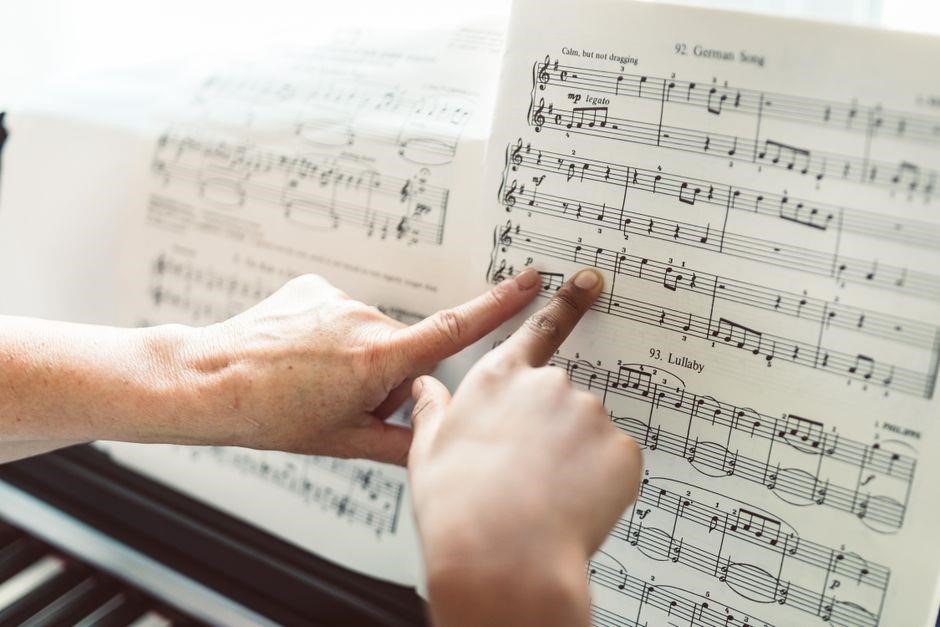
Begin by selecting a reliable PDF reader that preserves the original formatting, ensuring that the chord symbols and lyric cues remain clear․ Open the file and scan the entire score to identify key signature, tempo markings, and any dynamic changes․ Mark the first chorus, verse, and bridge with a highlighter or sticky notes so you can quickly return to them during practice sessions․ Next, divide the piece into manageable sections—typically 8‑bar phrases or natural musical phrases․ Practice each section slowly, focusing on rhythmic accuracy and hand coordination․ Use a metronome set to the indicated tempo (often around 90‑100 BPM for this arrangement) and gradually increase the speed as confidence grows․ Pay special attention to the transition between verses and choruses; a smooth shift will keep the emotional flow intact․ Once the basic structure is solid, incorporate the chord voicings․ Play the chords with the left hand while the right hand plays the melody, ensuring that the harmonic rhythm aligns with the lyrical phrasing․ Experiment with different inversions to find the most resonant sound for your instrument․ If the PDF includes a simplified version, use it to reinforce the harmonic foundation before moving to the full arrangement․ To deepen musicality, record yourself performing the piece listen back for timing, dynamics, and articulation․ Note any sections that feel rushed or flat, adjust accordingly․ Practice with a metronome or backing track!!extra text
Incorporating Chords and Vocal Parts
When working with a Hallelujah piano PDF, the first step is to locate the chord symbols that appear above the staff․ These symbols guide the harmonic framework and can be played with the left hand while the right hand carries the vocal line․ Begin by practicing the chord progression in isolation; use a metronome set to the indicated tempo (often 90‑100 BPM) and play each chord for the full measure to internalize the rhythmic placement․ Once comfortable, overlay the vocal melody, ensuring that the chord changes align with the lyrical phrasing․ The PDF often includes a simplified vocal line that can be transcribed into a separate staff for easier sight‑reading․ For advanced practice, experiment with voicing the chords in different inversions to create a richer sound palette; this is especially effective when the left hand can sustain the chord while the right hand plays the melody․ Additionally, many PDFs provide a separate vocal track in MIDI format—use this to listen to the original vocal phrasing and adjust your timing accordingly․ Finally, record yourself performing the piece with both hands and the vocal line; playback will reveal any syncopation or missed chord changes, allowing you to refine the integration of harmony and melody․ Use metronome for tempo․
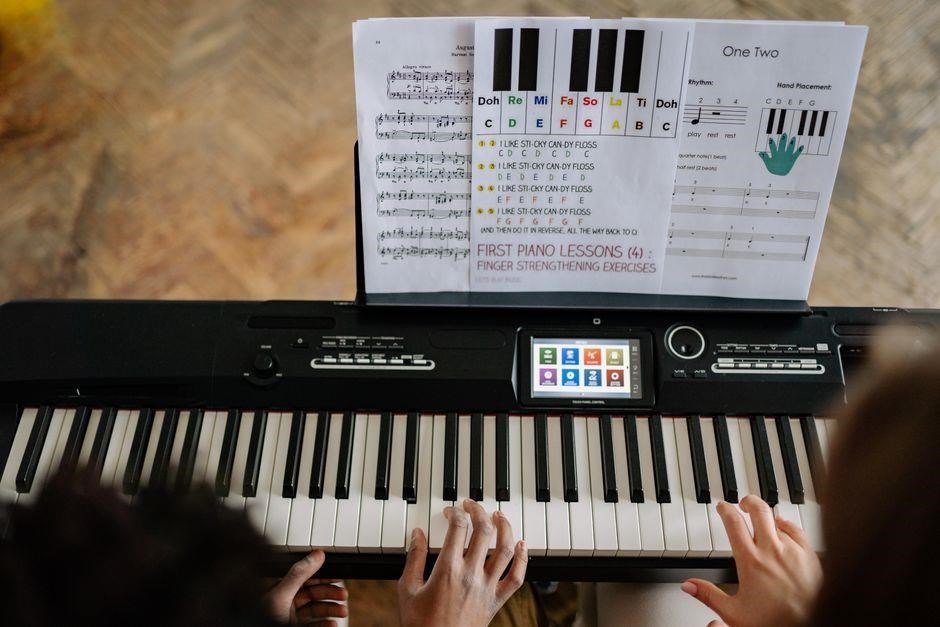
Record short segments and listen for intonation and phrasing nuances․ Adjust dynamics from piano to forte as the song progresses․ Practice with metronome at 90‑100 BPM to maintain tempo;